As I reflect on my first 30 days at Breakthrough Central Texas as Director of Philanthropy, without hyperbole, I can say that I have found my place. My “why” is so seamlessly integrated into the work that I do every single day.
The all-staff meetings start with the call and response: “Hey, Breakthrough!” It’s a great way to get everyone’s attention, but more to the point, it’s a signal that we are bound together in a shared experience, equal parts of a community. At my first all-staff, we did an exercise: “Why Breakthrough?” Our assignment was to connect with people outside of our internal work teams and share our why’s. What stood out to me was the underlying reason that so many of us are doing this work is because we have a lived experience that ties us in a meaningful way to the people we serve.
In sharing some of our stories, we learned that many are the first in their families to earn a college degree. This is remarkable. While many organizations, notably in the social good sector, endeavor to reflect the communities they serve, so few seem to achieve this ideal. At Breakthrough, the staff of passionate, dedicated experts are multicultural, with a broad spectrum of identities that are truly reflective of the communities we serve throughout Central Texas. Not just at the direct service level either. Our diversity is apparent throughout the entire organization – from our executive team to our board of regents. Representation is not just a buzzword, it’s simply our reality.
For me, my why derives from my lived experience as a woman of multiple and historically marginalized identities, most notably as an Asian woman and as a trans-racial adoptee. Growing up, my world did not look like me or sound like me. My early identity was entirely formed out of my adeptness at assimilation.
It was not until I went to a large public university in an equally large, diverse city, that I began the process of embracing my identity as a multicultural, ethnically diverse person. My experience taught me that access to education is the great equalizer because it provides a path to independence of thought, achievement, and ultimately liberation.
The foundation of our mission is the creation of systems-level change that addresses systemic and structural barriers as we build the path to and through college (or other postsecondary education pathways) for first generation students. As we have been privileged to witness, when this happens, the individual student achievement literally transforms an entire family, thereby impacting their trajectory for generations to come. With this, an entire community is uplifted. Therein rests the second part of my Why Breakthrough: real world, positive and progressive change that makes equality look and feel more achievable. Education attainment has the power to unite us in the beauty of our differences as equal and whole human beings.
Leveraging my marketing background and storytelling skills to reimagine my career has been a literal thrill ride of reinvention and self-discovery. This new path began nearly five years ago. At the beginning, my sense of worth rode the waves of the highs and lows of my career. Work defined me.Now, as I think about who I’ve become, I see that I am no longer defined by my work but rather by my ability to continue trying, even at the risk of failure. This has become my defining trait. While the ultimate result is liberation, the journey to get here has been anything but predictable.
My late-stage career pivot did not happen just with simple determination and hard work. Prior to the pandemic, I had been feeling less satisfaction with marketing and selling products purely for the sake of profit and brand building (see my 2019 blog post, “Show Me the Money”), but I had yet to fully commit to change. The grace of Covid’s reset gave me space and time to ponder: What could I do? The luck of the timing was also a key factor: Remote work suddenly became the new normal, opening up possibilities unimaginable prior to the pandemic.
My career reinvention centered on my dream to align the work that I do with my core values around equity. This reframe of values-aligned work started with nonprofit fund development. I began this journey as a Major Gifts Officer as part of a fully remote development team for a national organization serving individuals and families with disabilities. I loved learning from the people we served and seeing them as individuals, no longer viewing people with disabilities in an abstract way but seeing each person with their own story. I felt honored to engage with their families in meaningful conversations around the joys and very real challenges of having a loved one who was differently abled. My new skill set encompassed Engagement Fundraising, Moves Management, and Donor Portfolio Management.
From there, I jumped back into a more traditional marketing, sales, and development role as a Senior Director of Partnership Development for a social justice organization working to dismantle racism in education. This short but incredibly intense time was one of the hardest of the hard things I have done in my career. Read about the experience at Unapologetically Myself, published shortly after the founder and I made an abrupt but mutual decision to part ways.
Hoping to rest and recover before starting something new, a serendipitous introduction brought an unexpected new challenge. What started out as running a crowdfunding campaign quickly transitioned into building a new company from the ground up.
Buoyed by the campaign’s success, we were able to move from launching a single product into company-building mode. (See Building a Company for insights into this exciting time.) I quickly joined full-time as the Chief of Growth and Impact, responsible for building sales and marketing capabilities. The work aligned with my values of equity in education and my leadership role was incredibly energizing. It was thrilling to do the work and to see the results: My efforts directly helped to build a company infrastructure and to develop sales, marketing, product development, and customer service from the ground up.
Ultimately, though, I was unable to reconcile some of the many challenges of a co-leading partnership. The founder and I went straight from, “Hello, nice to meet you,” to co-founders and co-creators just months into working together – remotely – under the intense pressures of a bootstrapped start-up. While on the surface, our skill sets looked amazingly complementary, we did not know each other before jumping into what we endeavored to be an equal partnership. If you have enjoyed enduring, mutually beneficial, long-term relationships, you know that trust develops over time with each shared experience. Despite the best of intentions, there is no shortcut.
I had hoped to create the type of company I wanted to see in the world. One that reflected my values in the decisions we made about how to run the company and one that reflected true equity in all operational areas. For the better part of a year, I did all I could to actualize this vision: a human-centered, women-led, values-first company that was a part of creating equity in childhood education.
I owned the decision to leave – on my terms – with so much gratitude for the experience. Taking on these incredibly different roles over the last several years built my confidence immensely as I proved to myself that there were few barriers I could not overcome. As a woman of multiple, layered identities, most notably my immigrant journey as a trans-racial adoptee, overcoming internalized mental barriers is no small thing.
Given the breadth of these experiences throughout my career and having a family that is by my side, I know that regardless of the next challenge I take on, I will always be more than the work that I do.
Building a company from the ground up is like nothing you can imagine unless you have been there, on the ground, and in the trenches. We are learning as we are building every moment of every day. I’m charged with sales, marketing, and partnership development but I also help out with other functional areas such as product development, fundraising, and operations. You have to be able to do enough of everything, regardless of your role.
When the morning news show, Good Morning America agreed to tell our story to their global audience, we were beyond thrilled. We had reason to be optimistic that a possible boost to our sales could result but what if it didn’t? I couldn’t help but wonder – does anyone watch morning television?
I’ll spoil the ending first. Despite our preparations we were in fact, not prepared for the seismic and immediate shift from a daily run to an all out sprint. Shortly after our story aired on ABC last week, our little company was suddenly top-of-mind to a global audience including our dream target audience of wholesalers, retailers, parents, grandparents, teachers, learning specialists and more. In the first 90 minutes, sales topped 100K. Our customer base went from 600 to well over 6000 in hours, not days, not weeks.
Writing this post, I’ve only had two days of decompression for a company, which is still so young I jokingly say that the ink is still drying on our incorporation papers! We have now been catapulted into the spotlight among a mass consumer audience.
This is my attempt to memorialize an incredible moment in our company’s nascent history and I sincerely hope that by sharing the four key things that I learned I can help others.
Customer service is everything. Be prepared. When emails started flooding my inbox at a rapid pace over the first 48 hours there was no staffing to handle the inquiries and zero guidelines in place for answering questions we hadn’t yet answered. What was our return policy? Why is shipping so expensive? Can I buy this in Australia? (They seem very energized by our product – the cute Kangaroo perhaps…). My background in retail and public relations gave me enough instinctive ability to literally craft responses on-the-fly and to create a customer manual that our entire team could work from. Everyone on our team from the founder to our interns became customer service reps overnight.
Dry run all potential customer journeys. While we thought we had engineered a seamless and simple customer journey – we made one small decision that cost us trust and credibility. Hoping to catch site visitors before leaving (and not buying) we created a special exit-intent popup However, the pop up came up too quickly on the page – causing confusion. We immediately disabled it but by mid-morning it was too late – frustrated customers flooded my inbox. During this timeframe our site conversion was over 23% (compared to the industry 2-5% average).The rate dropped slightly over the next day to 19%. Could it have continued to grow with the exit-intent pop up? Maybe, but we’re pretty happy with a double digit conversion rate and zero customer complaints.
Know your technical stack. Before this I think we really thought of ourselves as a consumer company that makes great products versus being an e-commerce company. Not completely understanding our Shopify platform and what it could do hurt us in those first critical hours. Also a lack of integrated customer service tools forced us to do some painful and tedious manual work to ensure that every customer was being responded to without duplication and as quickly as possible. It was a frustratingly slow process of flagging issues, taking an inordinate amount of time and people power we did not have.
Understand how sales tax works. Because sales tax rates are set independently by city and the threshold for sales that your company has to meet varies, sales tax is highly variable – many customers during the first hours did not get any sales tax charged at all. We saw this happening and honestly panicked that our platform was not working properly. As a small company – our cash runway is short – this could have literally sunk our company if we were losing money on every single sale. If we had known all this in advance, we would have saved time and stress for a “problem” that was not in fact a problem at all. The marketer in me also wished I had known this and we could have done a more emphatic call to action – sales tax free for the first orders!
Knowing all the things you have to focus on while building a company is hard. The ability to set the right priorities and follow through despite the many obstacles you will face is everything in a super fast-paced, always changing business climate.
I hope that by sharing my experience, others can benefit. It has been a wild and incredibly gratifying ride. Super energized to keep building and to keep learning. There were many more milestone learnings and I am happy to share. Feel free to reach out to me directly at kstrenk@clevernoodle.com.
In gratitude,
Kimberly Strenk, Chief of Growth and Impact
About Clever Noodle. A woman-founded, women-led start-up company. We make games that are powerful tools for children, parents and educators to help learners of all abilities learn to read. We unleash the power behind evidence-based Science of Reading methodology into all of the games we develop. We know that leveraging the power of play using tabletop board games keeps learners delighted and engaged on their journey to becoming confident, fluent readers! As seen on Good Morning America, our first game, Kangaroo Cravings is available to purchase or to donate at clevernoodle.com and via wholesale at Faire.com.
Being present and feeling gratitude got me through an incredibly tumultuous year. The simplest visual for what it feels like being a family of five with three teen daughters is a game of Whack a Mole – two down, one up, then three down and one up, one down and so on. Insert laughing and crying emoji here.
We started the year watching our daughter, Katharina being wheeled off into surgery to be treated for a rare kidney tumor that was discovered after a routine MRI for minor back pain. So, in January our then 16 year old daughter underwent a laparoscopic, radical nephrectomy aka removal of one of her kidneys. Luckily you can live a long healthy life with just one. There is no prep for something like this. While we were quite unlucky to be part of the less than 1% of kidney tumors, we were also incredibly lucky. The surgery seems to be all she needed, as the tumor was “mostly” non-cancerous and did not appear to have spread. For now, we live with quarterly scans and regular check-ins with her oncologist.
On a personal front, outside of my roles of wife and mother, I had a pretty 2x year. I continued to evolve as a runner, enjoying a PR (personal record) with an 8.30/pace running my 5th half marathon. Following the half, I ran my first full marathon, 26.2 miles in 4.32 hours. Outside of being pregnant and nursing three babies in five years, it was the single most challenging achievement of my life. As I hit mile 21, I said to myself, “Finish this race and I will not make you do this again.” But I find myself lately thinking, just one more. I have the awareness that I told myself much the same after I had my first child. Although experience and maybe muscle memory did in fact make each of the subsequent baby years easier.
I had an incredible run professionally, during this same timeframe. In January I started an exciting new role as the senior director of partnership development at a WOC-led social justice non-profit organization. On paper it was a dream job. The mission to dismantle racism within the institution of education so that all children can thrive was incredibly motivating. I was charged with building out the sales and marketing strategy and systems to accelerate the growth and triple the impact. I explored the full experience and my learnings in this blog post, Unapologetically Myself.
Returning to our game of Whack a Mole – while we were navigating Katha’s cancer scare, our firstborn, Elke, was enjoying a magical senior year of high school. The culmination of her college search ended with a surprise twist with her choosing the University of Washington over the Southern California schools as well as her hometown behemoth, UT. But once the decision was made, she never looked back. Just one quarter in, she is thriving in her new life in Seattle as a Husky! While the decision from an economic perspective makes zero sense, Marcus and I were united in wanting her to experience college in a big city with a more socially progressive culture.
Our youngest daughter, Natascha, was having a very good sophomore year of high school. Strong academics, a great group of friends and overall, growing out of her role as the baby of the family. But we had an unexpected and abrupt end to her life as a soccer player. Not gonna lie, it was a shock to our girl and to her parents who have been cheering her on from the sidelines for as long as we can remember. Now that our emotions are a bit in the rear view, I can say that I am honestly proud of our girl for overcoming intense anxiety to play and compete for as long as she did. I am worried and hopeful that she will find a new path for herself.
As I write this on the first day of the new year, our house is filled with the sounds made by our new puppy, Lola and her big brother, Ollie squeaking their toys and playing together. I hear the laughter and happy chatter of Elke and her friends all home from college and happily relieving their adventures from New Years Eve the night before. I count an additional nine or ten friends of Katha and Taschi respectively, sleeping on couches and beds throughout the house, having enjoyed various celebrations before but all ending up at our house in the end. Feels good that all the girls had friends with them to bring in this New Year.
This Independence Day feels like a thinly veiled joke. A wink wink among the Christian right and their ardent cronies. Their “pro-life” vision thinly wrapped in their convservative values around sex and marriage, deciding who has choice and agency and who does not.
It is only when I fill out those intake forms at the doctor’s office that I really ever think about the abortion I had in my early 20’s. How many pregnancies have you had? How many live births? For me the answer is four and three respectively. I was not the victim of incest, rape, or other catastrophic condition. I was simply a twenty something young woman, late to the game of romantic relationships, and in a moment of sexual exploration, a condom did not do its job.
I’m not implying that the decision to have an abortion was an easy one. It’s not and it wasn’t. But I didn’t have to cross state lines, furtively search for a provider (or these days hide my digital footprint) and spend inordinate sums of money and time that I did not have – in order to get abortion care.
But the stark choices facing me as a young twenty-something – motherhood or adoption – were not ones I was in any way, shape or form ready to take on. As an adoptee, I have very strong feelings on the topic, especially when it comes to transracial adoptions. And as a woman who has experienced three “live births” – it is not a trifling thing emotionally or physically to gestate a fertilized egg for nine months until it becomes a whole, human baby.
Women’s bodies are not vessels to be objectified and treated as incubators. And unless you have had the experience – yes, you without a uterus – then you need to stand down, sir and shut the you-know-what up. You do not get a say here. Hard stop. Period.
And for women who make a different choice? Good for you and I support your ability to make that decision, but your choice does not dictate for the rest of us.
I never told the guy that I was pregnant. He was not relevant. Not someone I wanted to seriously date, let alone someone to be tethered to for the rest of my life.
This happened during a time I was taking a break from the oral contraceptives I had been taking since I was a teenager – back in the day, “the pill” was regularly prescribed for girls like me with inordinately difficult cramping and menstrual issues. I wanted to let my body reset itself, naturally. It was during this brief break from the pill that I got pregnant.
That’s it for my story. I haven’t given my experience a lot of thought outside the moments in the doctor’s office filling out those forms. Until now.
All of my life, growing up in this country I enjoyed the fundamental right to decide if I wanted to have a child. To control my body. To enjoy the rights of personhood. In one fell swoop, a group of only five judges – erased the constitutional right to reproductive autonomy – for all women in this country.
And now, my daughter’s personhood has been forsaken for that of a fertilized egg.
Make no mistake. This is the embodiment of the objectification of women. Our bodies are now seen as mere vessels. The patriarchy has once again spoken and pronounced all women as less than men.
I will not be waving the flag in celebration this fourth. I will instead rest. I will hug my daughters close. After this brief respite, I will be ready to fight again, this time with even more clarity and motivation to restore and perhaps this time to codify the rights of personhood for all women and girls.
No more standing on the sidelines and hoping things will change. Here’s some actions we can take now – https://www.abisfreedom.com/.
We are all whole human beings with complex identities and none of us can be defined solely by the work that we do. Our identities and our roles intersect continuously.
I am a feminist and social justice advocate. I like to create and build things. My tool kit is sales and marketing. I am an Asian American immigrant, mother of three. Wife to an incredible man who not only can handle being the father of three teen daughters, he is thriving and proud to do so. I believe in the inherent value and dignity of work. And all of these values, all of my identities have intersected throughout my life.
In January I started an exciting new role despite the glaring fact that I did not have all of the requisite qualifications. Maybe you’ve seen this statistic, “Men apply for a job when they meet only 60% of the qualifications, but women apply only if they meet 100% of them.” In my case this has been true as well. It wasn’t a lack of confidence that kept me from going for opportunities that seemed out of reach; rather, I assumed I would not be hired if I did not meet all of the criteria and I genuinely feared that if given the opportunity I might still fail at the job.
But this new role, senior director of partnership development at a Women of Color (WOC)-led social justice organization was simply too appealing to pass up, despite my hesitations.
As a woman who has successfully navigated a long and storied career while raising three wonderful humans, I relied on my methodical and careful approach to building my career – growing my skills and experiences largely by proving myself with each step up the proverbial ladder. Given my stay within the lines, rule abiding tendencies, it was truly unprecedented for me to apply for, let alone take on a role with a scope of duties beyond the areas in which I had fully ‘proven’ myself. But this is exactly what I did and I learned so many valuable insights from this experience that I want to share.
The role I took on was a big one – running sales and marketing for a start-up nonprofit organization. While I had a deep track record of success in marketing primarily serving in a public relations function, and I had demonstrated success in many aspects of selling, I had not been charged with the wholesale creation of a sales and marketing strategy and infrastructure building at an organisation-wide level.
As additional context, working in the nonprofit space, and specifically for a social justice organization is a world apart from traditional corporate sales and marketing work – resource scarcity is a thing but the bigger impact is the org mission itself. When you read about social justice fatigue and the need to rest – this is real. It’s a complex equation but for me and I saw among my colleagues that in the service of large, ambitious mission driven goals – dismantling racism – in this case, it’s very hard at the individual level to set healthy boundaries between work and self. And despite org-wide efforts to dismantle traditional cultural values and norms around power structures and endeavoring to work in ways that value each of us as whole human beings – this is hard, maybe impossible to do. I have yet to see or to experience it in a successful way.
During this same timeframe, I was going through a situation as a parent that had no precedence for our family. One of my daughters was diagnosed with a tumor in her kidney, underwent surgery to remove it, and now lives under the shadow and uncertainty of quarterly scans. To say that I have a renewed life perspective is an understatement. On a personal front, after a decade of running for fun and the occasional half marathon, I successfully completed my first marathon in four hours and 32 minutes. While it seems like everyone has done a marathon – once you mention that you are training for one – it is in fact, something less than 1% of all people accomplish in their lifetimes. All of this is to give a more complete and accurate accounting of my particular story. We are all whole human beings with complex identities and none of us can be defined solely by one aspect of who we are and what we do. Again, our identities and our roles intersect continuously.
While we have mutually decided to part ways, I am proud of all I accomplished in a relatively short time frame. Notwithstanding the onboarding process of meeting and learning about your colleagues, the org structure and processes, systems and the like, following are a few key highlights of my accomplishments:
Development of Sales Marketing 12-Month Jumpstart Strategic Plan.
Created theme, Unapologetically Anti-Racist for annual event.
Conducted first ever competitor analysis of the primary competitors in their market space for anti-racism / diversity equity inclusion services.
Drafted and delivered sales proposals for multiple business to business (B2B) engagements with initial results garnering over 50K in closed deals.
Development of a sales pipeline of opportunities to re-engage current clients to maintain their commitment to anti-racism work at the organization-level.
Conducted numerous internal marketing sessions resulting in clarity of telling the org story, including brand identity development, and mission clarity via written and visual storytelling vehicles.
Conducted numerous internal sales sessions resulting in clarity of identifying ideal target market and target customer resulting in realistic and targeted sales engagement activities.
Writing this blog post, naming these wins is in service of telling my story: be unapologetically who you are. No matter the actions of others that we cannot control – we control our actions, our responses, and we get to own our narrative.
While I was driven by a mix of passionate idealism and an almost overwhelming sense that I was an imposter tasked with building and creating a sales marketing system – I still did it. I created a scalable and sustainable sales marketing roadmap that lives beyond me or any individual contributor – I created something that did not exist until I built it. Doing this against the backdrop of a resource starved ambitious start-up was one of the most satisfying and hardest things I have done.
The confidence that I gained from this experience is without measure. I remain unapologetically, myself.
To say that we are proud of the person you have become is an understatement. You are a joy and such a bright light in our lives. Although we have been honored to guide you and parent you for 18 years, the time has gone by much too fast.
The sense of urgency to “fill you up” with as much advice and guidance as we can, is palpable. If you will indulge us a little longer, I hope this resonates someday. You are wonderful, a whole human being, a great daughter, sister, friend, and teammate to all who know you. You do not need to spend time and effort chasing perfectionism. You are loved and wonderful, just as you are.
Perfectionism is a false promise. It is not about striving, setting goals and working toward them. Perfectionism is other directed – focused on garnering the approval of others – something none of us can ever control and there is no end point. “Most perfectionists were raised being praised for achievement and performance (grades, manners, rule following, people-pleasing, appearance, sports). Somewhere along the way we adopted this belief system: I am what I accomplish,” from Brene Brown, The Gifts of Imperfection. Your daddy and I hope this resonate for you, Boo, and can serve as a reminder that while we 100% applaud all that you achieved – you are more than the sum of your achievements.
While your graduation from high school is an expectation, you have made your high school journey your own and it is a tremendous accomplishment worthy of recognition. You did not sacrifice academic achievement over all else, you did not play the game. You worked hard so that you had the ability to have fun, to hang out with your friends, eat ice creme, watch the sunset, take your dog to the park, binge watch Grey’s Anatomy, bake cookies and throw surprise parties for your friends.
While we will never feel ready to let you go, we know you’ve got this.
When I made my big pivot to the nonprofit world back in 2019, I imagined that I would have to put in my time, garner enough experience and build a portfolio of wins to be able to choose the organizations and causes I worked for. I also wanted to still flex my public relations and marketing skills but in the service of development work.
My first official foray into the nonprofit world affirmed the need for a strong marketing lens. As a Major Gifts Officer, I saw first-hand the importance of telling the right stories at the right time for the right audience. In my mind, the relationship between fund development and marketing was key. I was surprised to find, however, that synergy between these two essential functions wasn’t always the norm.
Given this set of expectations – putting in my time, building up my portfolio and wanting to leverage my communications skills – it wasn’t easy to find the right fit. After countless conversations with friends and colleagues, so many interviews and oodles of applications submitted, I stumbled upon an intriguing opportunity with a nonprofit social justice organization working in the education space. The organization, Embracing Equity, was looking for a development professional to accelerate their growth on the partnership side. As a startup still building out systems and processes, they also wanted functional skills in marketing along with a demonstrated passion for equity. I found my unicorn!
After an incredible, immersive and collaborative three weeks of exploration and engagement with Embracing Equity, I was offered and have accepted the position of Senior Director of Partnership Development! I am beyond humbled, honored and excited to embark on this next journey.
Embracing Equity is a Women of Color (WOC) social justice nonprofit organization that understands the legacy of systemic racism in education and aims to address these inequities with a holistic approach that encompasses individual learning, interpersonal actions, and institutional-level transformation.
Since their founding in 2017, Embracing Equity has grown dramatically, working with over 2 thousand individuals, across 47 states, accelerating simply by word of mouth from the success of their early participants. In this new role, I hope to leverage and grow their success, helping them to identify and engage with even more institutional partners within the education ecosystem. Our shared goal is to accelerate growth and to impact over 1 million children by 2030!
Getting to this place has been, in many ways, such a perfect alignment of who I am, my values and my goals.
My Story of Why
People see us through the lens of our various identities. As a professional, an advocate, a wife, and mother – those who know me would likely describe me as strong, outspoken and, at times, brave. I believe I am those things on my best days, but I could not draw on these qualities when I was young and most in need of strength and courage.
Growing up in a predominantly white, upper-income community, I experienced endless incidents of being taunted and called out simply for being who I am, Asian. Or the many times I’ve been told, “Go back to your country.” As if I wasn’t already here. This world that was reflected to me through my peers, my community, and the media, did not look like me and did not see me.
One memory from my high school days has stayed with me. l am in the locker room and a “popular” girl was next to me, talking to her friends. I don’t remember her exact words, but she was mimicking the facial features of a Korean girl (there were only two of us in our high school) by pressing her hand against her nose and then pulling up at the corners of her own eyes, exaggerating the traditional almond-shaped eyes of most Asians but in a mocking caricature of our faces. Laughing and giggling was the response from her friends. In that moment, I held my breath, silently hoping to simply vanish. By then she saw that I was also in the room. Momentarily startled, she smoothly recovered and stated, without a trace of embarrassment, “Oh, you’re fine. You’re more like us.”
I don’t think that girl thought of herself as a racist. Who does? But it was a callous and mean and, yes, racist remark, insidious for its easy perpetuation of the message that I had received many times before: We may grant you permission to be seen but only if you are “like us.”
I didn’t have the language to express what was happening and how this made me feel. I remember it as a general sense of disconnection, as I could not be “like them” in the most fundamental way. I could not change the color of my skin, nor the shape of my eyes. But being accepted relied on my putting up the façade. I was a teenage girl with no allies to support me, and I had not yet developed the resilience I needed to create a different path for myself, or others like me. I have often wondered where my life could have taken me if I had not wasted so much time and energy trying to pass undetected, pretending to blend in, to be something I could not be.
It wasn’t until I moved to a larger city to attend a big public university that I began to see that there were more people like me. But even then, as a transracial adoptee raised by a white family, my family, while well-intentioned, did not acknowledge my Korean birth culture in any meaningful way. This further compounded my feelings of disconnection and lack of belonging. It was only when I became a mother myself that I began to recognize and explore this multi-layered dissonance as part of my identity.
However, being a member of a marginalized group does not absolve us of responsibility to do the work or to keep us from finding ourselves on the wrong side of right. I’ve come to learn that not being racist is different than being anti-racist. To be anti-racist means moving from knowing and into action. I did not speak up that day for myself or for the one other Asian girl. I forever regret that I did not have the courage to act nor the understanding that my silence made me complicit.
While this happened decades ago, and we have collectively begun to face this country’s systemic and historic racism, we still have not normalized talking about race. It’s uncomfortable and fraught with deeply rooted layers of unearthed traumas and denial. So, can we solve a problem that we can’t yet talk about?
Yes, I absolutely believe that we can. Despite of or even because of my past, I am an optimist who carries hope for progressive, meaningful change in my lifetime. All of us have the power within ourselves to make it happen. This is a core belief that I have often espoused, especially to my three mixed-race daughters.
Embracing Equity in partnership development is my way of showing up and being a part of making positive change happen. Education does indeed power our future.
Embracing Equity’s model for disruptive change in the education space has already proven transformative and successful. They envision a world in which all children can thrive, regardless of differences in race, gender, identity, or socio-economic status. Embracing Equity’s vision states it perfectly, ” A just society where all children are affirmed in their whole humanity and nurtured to their fullest potential.” We can do this.
How does an intention become an action? For years, I’ve intended to start a meditation practice. Who doesn’t want to be more fully present in life’s moments and enjoy reduced stress while enjoying personal and spiritual growth? Yes, please. I read books and reached out to expert practitioners, but nothing helped me move from intention to action when it came to meditation.
However, like so many of us during this protracted, unprecedented global pandemic, I developed new modes of being and doing that I did not envision before Covid. While my running habit pre-dates the pandemic, I slipped into a habit of longer daily runs simply because I had more time in the day to do so—and the relative safety of being outdoors remained constant. In no time, I exhausted my music playlists. Too lazy to create new ones, I turned to audiobooks to power me through these longer runs.
What happened next was a very organic evolution between running and “reading.” Listening to a book engaged my mind in such a completely different way. A great audio book is both immersive and relaxing, and listening while engaged in physical activity allowed my mind to let thoughts and ideas flow freely without judgement from my often-skeptical inner voice. The simple act of clicking on a headset created a separation between me and my external (and internal) distractions.
And this is how I landed on a type of meditation that worked for me.
I call it my Mindfulness Stacks. It’s a bit of borrowed word play from one of my favorite self-development books, Atomic Habitsby James Clear. Clear references “stacking” actions that we want to create into habits that last by combining two or more actions that naturally go together. In my case, running + audiobooks are my stack.
I layer mindfulness into my stack by listening to a carefully chosen group of audiobooks back-to-back that teach me something new and helps me explore ways that our mind hears, processes, and uses information. Though I suspect that the books in my stacks will evolve to reflect where I am at that moment, I have been focusing on a specific set for the last year: books about the nonprofit sector and its role in serving the social good, paired with books about future trends and our overall human condition.
By stacking these two types of audiobooks and listening to them every morning during my run, I can get myself into a state of mental calm and physical relaxation. This helps me start each day with a heightened mental state that feels open, clear, and focused. It may not look like typical meditation—I’m not sitting on a cushion in a quiet corner with my eyes closed—but I do reach the same goal: inner calm and enhanced well-being.
These are my three favorite mindfulness stacks. Even if you have read some of these books, I encourage you to re-visit them with these combinations in mind. Let me know what you think and if it works for you. Happy meditations!
Stack #1: A New Earth, Eckhart Tolle, Thinking Fast and Slow, Daniel Kahneman, What Happened to You, Dr. Bruce D. Perry and Oprah Winfrey, Know My Name, Chanel Miller, and I know Why the Caged Bird Sings, Maya Angelou.
Stack #2: 2030, Mauro F. Guillen, New Power Jeremy Heimans and Henry Timms, Engine of Impact, William F. Meehan, and Kim Starkey, and The Moment of Lift, Melinda Gates.
Stack #3: The 5am Club, Robin Sharma, The 80/20 Principle, Richard Koch; The Culture Code, Daniel Coyle, Atomic Habits, James Clear, and How to Train Your Mind, Chris Bailey.
Wedding Day, Hanalei Bay, Kauai, September 15, 2001 Photos Gelston Dwight
It’s easy to judge a decision right or wrong, good or bad after we know the result. On the surface, the story of our 20-year marriage seems no different. My husband, Marcus, and I have been together almost half our lives. We have three healthy and happy children, and our life together looks relatively seamless. But looking back I can’t help but wonder: Was it simply luck? Or could it have been thin-slicing at work all those years ago when we met?
Thin-slicing is our ability to make very quick decisions with minimal information. The concept was popularized in Malcolm Gladwell’s Blink, a book about how we think without thinking. In the first few seconds of meeting someone, it seems that all we have is surface level information. Yet, it’s undeniable that we’re making many judgements and decisions under the surface within those short seconds – in other words, we’re thin-slicing. As Gladwell examines in Blink, some of those decisions prove to be remarkably prescient.
I think back to my first chance encounter with Marcus in the spring of 1997. In those first few moments of meeting, I felt a sense of familiarity and comfort that could not be explained in any obvious or logical manner. Even if you had asked me, I could not have named it, but in fact I made a split decision that this was a person I could trust, and that changed my future in ways that I had never imagined for myself.
A Chance Encounter
I was a fresh-faced transplant from Seattle, living in San Francisco’s Russian Hill neighborhood and working at Nordstrom San Francisco Centre as a PR specialist during the Bay Area dot-com era. It was a heady time to be a young person living in one of the most incredible, iconic American cities. I was young and happily unattached. Growing up without positive relationship models, I saw no appeal in tying my life to another’s. Cliché as it may sound, my possibilities felt truly endless.
It was one of those golden, late spring San Francisco evenings. I was meeting friends for happy hour at a trendy bar in San Francisco’s theater district but got lost on the way. Frustrated, I was on the verge of giving up and going home when my friends found me – walking in the opposite direction. It was at that happy hour that I met Marcus – who only decided to join his friends at the last minute.
It seems almost old-fashioned in this era of online dating where everyone’s background is pre-screened, to say you met someone, not with a swipe or via text, but rather in-person, at a bar, over cocktails.
A year into our relationship, we went to Germany to meet his family. His dad still lived on Sylt, a tiny resort island in the North Sea where Marcus grew up. Our first morning there we wandered, hand in hand, visiting places that were meaningful to him – his family home with the in-law building where his Polish grandmother lived and often cooked traditional dishes such as cow liver (not one of his childhood favorites). We visited the school he attended and the Strenk family plot where his grandparents were buried, marked by a giant marble headstone from Marcus’s father, Anton’s, masonry business.
I was feeling my jet lag as walked to an old vine-covered church near his boyhood home and it started to rain. But just as I began to get cranky, Marcus dropped to one knee near his Oma and Opa’s headstone. “When I was a boy,” he said solemnly, “I would walk by this church every day and think, someday I will get married here. The next best thing is to be here with you and ask you to marry me.”
The Wedding
As most of our friends know, our wedding happened in the days following 9/11 on the tropical island of Kauai in Hanalei Bay. We had taken our very first couple’s vacation to this magical, somewhat hidden garden isle beach destination. It was during one of our return visits, we agreed that if we still felt the same way about each other in one year, as we did in that moment, we should get married. Given the unprecedented realities in the days following 9/11, we did not enjoy the destination wedding that had been a year in the making as we’d hoped. In the end, we understood that it was never about the ceremony, the party, or even our friends and family. It was just the two of us making a pledge to be together, no matter what.
What I’ve Learned
Listen to each other. Marcus and I genuinely like each other – not every moment, but every day. Do we fight? Of course, we do! Thanks to years of fantastic therapy (mine) and Marcus’ genuinely optimistic perspective and naturally high EQ (emotional intelligence), we have become excellent communicators. It’s not that we don’t have issues and conflicts, but it has been our ability to continually learn about each other and to acknowledge that we can see each other without having to always agree that has held us together. We listen, we resolve, and we move forward.
Be in the moment. This is something I have learned to do because I was lucky to be with a person that seemingly was born knowing that life’s greatest moments are the ones you are experiencing as they happen. Before Marcus, I was always striving, with my check list of to-dos continuously top of mind. I was too busy looking ahead to really stop to enjoy what was right in front of me – the beauty of the Golden Gate Bridge, a perfect meal, and the sun rising over the ocean. After twenty plus years together, I have ceded to my partner’s ability to relish and to appreciate life’s beauty as it unfolds.
Better together. We often joke that if we could combine the two of us, we would be near-perfect, blending Marcus’ intuitive intelligence and great communication skills with my disciplined focus and execution. Since stitching two brains together is not yet possible, what we have done instead is we have learned to leverage each other’s strengths to the point that it’s a nearly seamless process. When we’re aligned, the end results are always our very best ones. Life is hard and full of challenges large and small, no matter how pretty the picture. But we have never both been down, or both been wrong at the same time. One of us has always been there to lift the other when needed.
Team Strenk. When we made the decision to have kids, we agreed that we would share equally in the parenting and running of the household. We’ve made many course corrections along the way, but we own the duties and savor the joys, together. We can do this because we started with one simple belief: Neither of us would live for our careers. Our careers would be the fuel to allow us to live. Don’t misunderstand, we are ambitious and motivated but in an ultimate tradeoff between career and family, family would always come first.
Our first real test came when we had an “oops” pregnancy when our two kids were just three and one years old. At the time, Marcus was very much on the track at Microsoft as a senior sales manager and I was at this point a PR executive, managing a team at Williams-Sonoma. But our unplanned third child forced us to abruptly change plans. Given the lack of space, both mental and physical and the accelerating economic constraints raising kids in an incredibly expensive city, we quickly made the decision to make a drastic move to a family-friendly community with strong public education and attainable housing. During my second trimester, we moved across the country to access the wide-open spaces and family-friendly community that we wanted, in Austin, TX.
Now that our kids are all teenagers on the cusp of leaving home for college and the real world, I can say that one key to our success as a couple is our mindset of shared + equal versus any traditional gender roles dictating marriage and parenting.
It’s nice to be married to your best friend. I did not know how compatible we would become all those years ago when we first met. Luckily for us, thin-slicing skills told me that I could trust this person and that decision opened the possibility that has made these twenty years married feel like a satisfying romantic comedy, featuring two main characters that despite their flaws and missteps, you root for them, you love them together, and you can’t imagine either of them ending up with anyone else.
I spent the last year of my life helping people find their joy – in fact, it was part of my job description. Now, in the face of an unanticipated setback, the profound sense of joy I found in helping others is grounding me in gratitude in the face of tumult and change.
Throughout my career, I’ve worked on behalf of traditionally marginalized people and groups, whether as a volunteer for numerous food and shelter organizations or as a board member leading fund development effort for YWCA Greater Austin. But I’ve found that working to enable philanthropic giving as a MGO (Major Gifts Officer) for a disabilities non-profit has given me a sense of purpose and motivation that has superseded traditional metrics of job satisfaction. If you’re a disciple of Simon Sinek’s Golden Circle, fund development is clearly the “how” to my “why.” Philanthropy is the ideal and fund development is the fuel for philanthropic work.
At its root, philanthropy means “a love of humankind.” I saw this time and again in my work with a range of caring donors who aligned their values with their philanthropic giving. Having the opportunity to shine a light on the diversity, talents, and individuality of people with developmental and intellectual disabilities has been an honor.
Yet, I will not be able to continue this work – at least not with this particular organization. The once robust national development team was reduced by 40% as a result of a new strategic vision and post-covid realities. In other words, I’ve been riffed.
Despite the uncertainty and sadness this unanticipated change brings, I can’t help feeling an overwhelming sense of mission, gratitude, and, yes, joy. This sense of positivity has been enhanced by the wonderful words of thanks from colleagues, business partners, and donors for the work I have been privileged to do.
I am so grateful to know the impact I’ve made on this organization. And it has had just as much on me. These are some of the lessons I’ll be taking with me:
Relationships Above All As an MGO, you are charged with identifying and building authentic and meaningful relationships with donors who have the capacity and the heart to give to your organization. I‘ll never forget feeling unsure and nervous before my first call with a major donor, afraid I would come across as too salesy. By the end of the call, I was elated. Because what we had was an easy and deeply satisfying conversation about a shared vision for a better future where all people deserve to be treated with dignity and care. The global pandemic had created so much isolation for all of us that I found most of my calls were often a welcome opportunity for connection and a sense of shared humanity.
Be Audacious I appropriate this wisdom from others, but it’s a good one for anyone in this field. Although I was a new MGO with limited development experience, I wrote my first proposal to a major donor within my first five months on the job. The ask? One million dollars to create ABA support services as a branded extension of a current behavioral supports service that had limited reach. Although this donor did not ultimately make the million-dollar gift, I believe that my bravery in making that request created a deeper connection to the org for him and a more meaningful relationship for me, which ultimately led to a major year-end gift.
Don’t Be Silo At a non-profit organization, fundraising is not the sole responsibility of the development team. Everyone plays a critical role, beginning each day with that same sense of mission fulfillment that the MGO or other fundraising folks do. We are all stakeholders in the success of fundraising. No money. No mission. This mantra remains relevant for good reason. As fundraisers we are focused on external audiences – donors, foundations, partners – we also need to build relationships across all levels and functions of the org, especially on the program delivery side. In my case, to understand the operational side of the business, I had to know the employees providing the services – the front-line service workers, or in our case, the DSP (Direct Service People). Working with them, learning from them, and understanding their world was integral to my ability to successfully tell the “Why we exist” and “How we change lives” part of our story.
Change is Constant I love my family, but my daily runs while listening to audiobooks became the needed break from 24/7 family time during this pandemic. In a normal year, I go through two pairs of running shoes with a half marathon every January. Covid year and no group runs or races? I cycled through six pairs of running shoes. I have over 30 books in my Audiobooks library. I have listened to them all. Some more than once. In my current listen, Great By Choice, by Jim Collins of Good To Great fame, Collins posits that chaos and uncertainty are the conditions in which we live rather than aberrations to the norm. They are the norm. In my own varied career, this aligns with my personal journey, starting in retail at Nordstrom headquarters in Seattle, WA as a newly minted college graduate, to the heady start-up days in San Francisco in the late 90’s as a single person to an executive position at Williams-Sonoma Inc., married with children. Today, I’m living in Austin, TX having made the transition from corporate PR and marketing to the non-profit world as a fund development professional against the backdrop of a global pandemic. I feel confident that my ability to adopt to and anticipate change has been the key to my enduring and always challenging career opportunities.
As my last day passed on this first non-profit job in development, I am uncertain what the next opportunity will look like. What I do know is that my vision and my values remain intact, more so now than ever. I will find that next right fit non-profit organization whose mission aligns with my values. I can’t wait to be a part of helping to drive the engine that enables their philanthropic vision to become realized.
Spreading joy and receiving joy in the name of working toward a world that reflects our shared love of humankind? Yes, please.
After a truly wonderful career in public relations, I am about to embark on a completely new path. I can now employ all the skills and knowledge I have honed from over two decades in one field and start anew. As daunting as this is, it also feels like a transition that makes perfect sense. It has been the moments of synchronicity that have punctuated the very best parts of my career journey. Originally coined by psychologist Carl Jung, synchronicity refers to “the meaningful coincidences that occur in your life.”
I have accepted a position as a Major Grants Officer (MGO) at Bethesda, a national non-profit organization that elevates the lives of the IDD (Intellectually and Developmentally Disabled) community with innovative programming, services, and an authentic corporate culture focused on service. While it may sound like an incongruous transition – Public Relations to Fund Development, viewed from the lens of synchronicity, it has all the hallmarks of meaningful intention.
My decision to transition to a career in fund development is something I explored in a recent blog post, “Show Me The Money.” After many successful years helping companies sell (mostly) wonderful products and services, I found myself feeling ready to create impact in a more personal and meaningful way. The rush of big wins marked by market share gains no longer felt as satisfying. Once I made the decision, I immersed myself in the hands-on work of fund development. As synchronicity would have it, as a board member at the YWCA Greater Austin for the last two years, I had numerous opportunities to gain valuable insights into the tremendous value of strategic and sustainable fundraising.
Another “meaningful coincidence” not as direct but just as potent: this year marks the 30th anniversary of the Americans with Disabilities Act (ADA) signed into law in July of 1990. A recent series of stories in the New York Times, “Beyond the Law’s Promise” presents a comprehensive overview of the myriad ways in which this piece of landmark legislation has changed the landscape for Americans with disabilities.
When it was introduced, the ADA was called “the most sweeping anti-discrimination measure since the Civil Rights Act of 1964.” The majority of my non-profit volunteerism and engagement for the last decade has focused on giving voice to the disenfranchised and marginalized as exemplified by the mission of the YWCA mission to empower women and girls and anti-racism work within the mantel of social justice.
Today, with this new opportunity to become a Major Grants Officer, I get to continue working in the social justice space – still as an advocate – but my bottom line will be to successfully bring big vision and major funding together in a mutually beneficial relationship. Matching the aspirations of major donors to the promise and the vision of Bethesda’s mission and work will become my new measurement of success. Being a part of a team of seriously smart, dedicated, mission driven people working together to fight for the dignity and quality of life for a marginalized group of individuals? Synchronicity has struck once again and for that I am deeply grateful.
I’ve had the honor to serve on several non-profit boards for causes I care deeply about, but it has been during this pandemic that I have found myself more deeply connected to the cause of the YWCA. I’ve been a board member of YWCA Greater Austin since 2018. At our board planning retreat last year, my colleagues elected me to chair the Fund Development Committee. Not so sure anyone else wanted it – but I was genuinely honored and up for accepting the challenge. The timing felt right as I had wanted to amplify my non-profit work with hands on fund development experience.
Who could have foreseen that in less than three months we would be here? Fund development during a global pandemic? As the saying goes, timing is everything…
Three months into flatten the curve, shelter in place, here’s what I am seeing so far. Because of the volatility, our priority path has been to take a short-term view of the organization’s funding needs and to focus on best case outcome opportunities. Fund development for a non-profit entity in normal times is critical to the livelihood of any organization. We are responsible for ensuring the organization has the financial resources to realize the mission and enact the vision. Layer on a global pandemic, even for someone hardwired to take on challenges, it has been a continuum of exhilarating highs and exhausting lows.
The challenges have forced me to jump in and to problem solve in creative ways that have somewhat upended what I considered traditional lines between staff and board member roles. Not to mislead, ours has always been a working board – no posturing, no VIP lane – we have always been a working board, but this pandemic has forced all of us out of our comfort. Board work during pandemic times is not for everyone.
However, it has not been all stress and panic. The surprising, positive outcome? Bearing witness to the quite literal heroic efforts of the staff making sure Austin’s longest and inarguably most impactful social services agency, continues to deliver on its mission to empower women and girls and to fight for equal rights and social justice. In a perverse way Covid-19 has validated the very existence of social services organizations such as the YWCA by laying bare and exposing even more clearly the social and economic inequities in our system that have always existed. “Covid-19 represents a new and additional disparity that sits atop the already existing mental health and social justice issues that have been at the heart of our (YWCA) organizational mission for over 100 years,” stated CEO, Executive Director YWCA Greater Austin, Naya Diaz. See the full story behind this quote at the organization’s official Covid-19 response, “An Update From Your Greater Austin YWCA.”
When we talk about “additional disparity” we are looking at a complex web of societal and institutional inequities that are so baked into our institutions and societal norms that many of us may not even question their very existence. Shortly after doing the fact finding needed to communicate the agency’s initial Covid-19 response, I came upon this New York Times article, “A Terrible Price: The Deadly Racial Disparities of Covid-19 in America.” When I read this comment from the current president of the United States, “Why is it that the African American community is so much, you know, numerous times more than everybody else?” I paused. Well, at least he asked the question.
According to this story, the reasons are complex and deeply multi-faceted: “The conditions in the social and physical environment where people live, work, attend school, play and pray have an outsize influence on health outcomes. Those in the public-health field call these conditions social determinants of health.” This is exactly why non-profits exist – to meet the tremendous gaps in our social construct wherein the private sector cannot adequately address these disparities.
Social determinants are not a new concept for the team at the YWCA. Deploying culturally and linguistically sensitive therapies and trainings is the hallmark of the YWCA Greater Austin’s approach to healing the most vulnerable in our community. In fact, they have been recognized nationally by YWCA USA as leaders in the field. According to YWCA Director of Clinical Services, Laura Gomez-Horton, LCSW, “We view all of the women and families we serve through a lens of oppression. What does that mean? Rather than seeing the person as the problem, we ask: What have they experienced? What social determinants need to be considered with regards to this person’s mental health?”
Very few organizations can claim the deep historical footprint of progressive social change of the YWCA, an organization with over 200 affiliates deeply embedded in communities all over the country. This model makes their reach and impact possibly unparalleled in the world of economic empowerment for women and girls, social justice and elimination of racism. Here in the Southwest region alone there are nine (9) YWCA affiliates which includes Greater Austin. All affiliates share the same mission – empowering women and eliminating racism – with each location developing their programmatic strategies and priorities based on the needs of their community.
YWCA Greater Austin has been an integral part of the fabric of Austin’s community, leading at the forefront of the most pressing societal issues since the early 1900’s. Being ready and able to address the many impacts in our community from this global pandemic is why this organization exists.
When the city wide shelter in place mandate was instituted in early March 2020, YWCA very quickly made the difficult transition to all-remote work. Easy enough for a high-tech company, but for a social service agency that serves the community primarily via face to face counseling, care coordination and training services? The logistical and operational challenges were intense, while at same time having to “answer the phones” to ensure they remained responsive to the many needs of the community they have always served.
While the agency has been on the front lines of this pandemic, providing mental health services and support to already marginalized communities throughout the eight (8) counties in and around Austin, their financial health has been at times in jeopardy as they are largely reliant on Travis County, City of Austin and Office of the Governor contracts. Technically these are termed awarded “grants” but they are in essence contracts for services with very specific guidelines and benchmarks to meet. As the state and the city have struggled to enact emergency measures, agencies with contracts have been living a day to day game of Whack-A-Mole securing one essential source of grant funding then learning another grant renewal is in jeopardy.
During the past three months I have become more integrated with the agency’s day to day operations in addition to the short and long-term finances and fund development pipeline. Working alongside our incredible CEO, Executive Director, Naya Diaz and key members of her staff that oversee fund development, government contracts, and the clinical team. I have learned the importance of really listening, asking the right questions and conducting timely next steps with the right subject matter experts. I have loved learning the language of equity, justice and equal rights from these incredible women with deep expertise in social justice work.
Over a recent Zoom, I asked Naya Diaz to take a moment to share her experience as the executive director overseeing the organization’s transition.
When did you know this crisis was real? “Within a week of shutting down our physical office and everyone working from home we saw a dramatic spike in calls from our current clients as well as lots of new people seeking help. We began hearing from families and their children about what was happening to them.”
What was one of the first needs that you identified as a result of the coronavirus? “We learned that several agencies here in town had shuttered their services completely and / or eliminated their help/crisis lines. As a result, many of those calls started coming into us. Because of the dramatic increase in calls and the broader range of needs of those callers, I quickly saw the need for us to develop a centralized warm line. A warm line is an alternative to a crisis line that is run by trained and experienced peers. Unlike a crisis line, a warm line operator is there to hold space for those going through a crisis such as suicidal or self-harming thoughts or behaviors. Trained peer support specialists can get them to someone who can handle this level of crisis.”
What is one surprising and positive impact as a result of this? “Even though I had to focus very quickly on the operational challenges of getting our telemedicine and training services running at full capacity, the one thing that stood out was that everyone on our staff just understood that we all had to step up and be problem solvers in a way that we had never had to be. Our team already worked very well together – but this situation made me really see everyone’s strengths very quickly. Each person took on an even higher level of ownership and accountability. As mental health providers, we don’t have the Hippocratic oath, but we don’t need one. We instinctively understand what we signed up for. Many of us are women, women of color. We are the lived experience of women supporting women.”
As the mother of three teenage daughters, I am feeling right at home living this language of inclusion and empowerment. It’s a scary time thinking about the world my children will inherit. But knowing that there are incredibly smart, dedicated and passionate women working together to make our communities stronger and more inclusive, gives me hope. As a member of a non-profit working board, we get to do more than just hope. I know that collectively, we are all making a difference.
As I look back on 2025, one of the defining themes of the year has been reflection and transition. Professionally, I left the world of nonprofit fund development after five truly amazing, growth-filled years. Personally, it culminated in sending three kids off to college. While not something you will find on a LinkedIn profile or résumé, being a working mom has shaped how I make career decisions and, to a large extent, how I have defined success.
Years ago, I left what felt like my dream job in San Francisco when we had our happy oops third child and moved to more family-friendly Austin, Texas. I could not have known then that Austin would become our home for the next eighteen years and counting. Sending our third child off to college marked a significant pivot for me in ways I am still uncovering.
When my husband and I welcomed our third child, we talked about the day all three would someday leave home. That day arrived last fall. It came with major logistics and layers of emotional complexity. More than anything, I hope college gives my strong, capable daughters the space to explore, to be curious, and to discover what energizes them. And yes, eventually get a job. I hope they gain skills and perspective that allow them to contribute to something larger than themselves.
At the same time, I am giving myself that same permission. Room to explore and evolve. Room to better align my strongest skills with what I genuinely enjoy and with work that serves our greater community. For those who have worked with me or followed my career, this season is less about reinvention and more about thoughtful alignment and where my experience can add the most value.
That idea clicked for me during my last run of the year while listening to Think Like a Monk by Jay Shetty. I am late to this one, but I have been surprised by how many friends had not read it either. Better known today as a speaker and podcaster, his message still resonates deeply.
Shetty describes dharma as the combination of what you are good at, what you love, and how it serves others. What struck me most is his view that dharma is not a title or a single lifelong calling. It is a practice that evolves as we do.
As 2025 moves into the archive and 2026 begins, I am reminded that dharma is not a destination or a milestone. It can unfold slowly, even across generations, and often becomes clear only when we pause long enough to reflect.
Cheers to you, and wishing everyone a purpose-filled new year.
I had an unexpected reflection this week after interviewing for a strategic communications role. While technically I was the candidate, and honestly I should have been nervous because it was an opportunity I was ideally suited for, but it felt more like a strategy session. There was an easy exchange of ideas and thoughtful reflections by all participants. We discussed communications strategy, including crisis scenarios, executive messaging challenges, thought-leadership development, and organizational alignment. I felt energized in a way I realized I have missed in my recent roles in fund development.
What struck me afterward was how easily the answers came to me. How naturally I could name what the real issue might be and how to respond. I could connect a challenge to potential solutions without overthinking.
This was not just instinct. It was a recognition of patterns shaped by many experiences over years of marketing, PR, and most recently development work. While being new to a profession is exciting and has its own rewards, there is tremendous power in drawing from a deep reservoir of complex experiences.
My career has lived at the intersection of marketing, PR, and storytelling and, more recently, fund development. Even when communications was not the headline of my role, it was always the through-line. Messaging donors, preparing executives for key conversations, navigating board dynamics, shaping narratives around impact and vision… all of it sits squarely in the world of human behavior and communication.
And when you have spent decades in that world, you start to see patterns:
How people respond under stress.
What leaders need to feel prepared.
The difference between a communication issue and a clarity issue.
The early warning signs of a crisis.
When a story is ready and when it is not.
How trust is built, and how it is lost.
What motivates action, and what creates friction or confusion.
I learned these things across thousands of interactions, across industries, and from working with many different leaders with varied strengths and styles.
Pattern recognition has sharpened my judgement and my confidence.
What I realized after that interview is that the ability to respond quickly and thoughtfully was not about preparation. It was simply that I have seen enough scenarios to make sense of complexity faster.
Pattern recognition does not make decisions for you. It helps you ask better questions.
It gives me the confidence to say, “Here is what is happening, here is what matters, and here is what we need to do next.” This is the value of experience. Not tenure, not titles, but the compounded clarity that builds over time.
This moment reminded me why I am so energized by strategic communication. I have spent years honing the craft and the patterns I have collected along the way are now one of my strongest assets.
And one day, in the middle of a really good interview, you suddenly realize something that can get lost in the day to day. The realization that you have discovered a whole new superpower.
Salary for social respect. Competition for collaboration. Structure for stretch. Sounds good, right?
I made the leap from corporate marketing and PR into nonprofit development five years ago. My fundraising experience to that point had mostly been as a volunteer, donor, and board member. I’ll admit, I had no idea how different it would feel on the inside. Board member versus staff — it really is a different world.
I’m proud of being able to make such a big pivot. At the time, I needed a reset, but there are things I miss.
Living your values as a day job sounds admirable. In the corporate world, success is visible and quantifiable: units sold, brands built, market share gained. Competition is a good thing. In development, dollars do matter (no money, no mission), but success is measured in lives changed, and trust is built slowly over time. The pace is more measured and metrics are human, not transactional.
Friends from my corporate life often ask what it’s like to make the transition as they think about “giving back.” It’s not as simple as trading a big salary for personal fulfillment. As my husband, who’s spent decades in enterprise tech, likes to remind me, pride in doing good isn’t exclusive to nonprofits. Many companies create enormous social value through jobs, wages, innovation, and corporate responsibility. The difference isn’t in intent. It’s in the system — how success is defined, sustained, and shared.
The skills I carried from my brand and communications career, from strategy, storytelling, relationship-building, these were all useful and, I think, helped me stand apart. But they were an incomplete skill set. The real work was learning to navigate scarcity with creativity, to lead through influence rather than authority, and to find meaning in progress that is humble, quiet, and collective.
For anyone considering this path, it can be worth it. Success looks different here. You are no longer your accomplishments. It’s about connecting, enduring, and maintaining.
If you’ve made a similar leap, I’d love to hear your story. What did you discover when “giving back” became your day job?
“The real work was learning to navigate scarcity with creativity, to lead through influence rather than authority, and to find meaning in progress that is humble, quiet, and collective.”
Why would a nonprofit launch its biggest fundraising campaign to staff before going public to potential donors? Because program staff are not just employees — they are the most important stakeholders.
This may not seem like an obvious step in the nonprofit sector. After all, you need donors — lots of them — to fuel a successful campaign, right? But I learned the value of prioritizing employees early in my career. At my first job in Seattle working for the Nordstrom family, I saw what it meant to treat employees as the center of the business. The Nordstrom promise of legendary customer service wasn’t a slogan; it was built on actions. Employees were trusted, empowered, and celebrated. The result? Customers felt it — and business thrived.
From that experience, I carried three lessons that apply everywhere — including nonprofits:
Employees are your most important stakeholders.
Values only matter if actions match them.
When employees feel empowered, the people you serve feel it too.
So when we prepared to launch Breakthrough’s largest accelerator campaign, I quietly but firmly advocated that staff should be the first audience before we went public.
Why Staff First
Nonprofit employees may not be major donors, but they are mission-critical stakeholders. Before going public, our staff — the people who deliver on Breakthrough’s promise every single day — needed to know the vision, feel the excitement, and see their role in it.
On September 5, during our all-staff meeting, we made them the very first audience with an official campaign launch.
Building Excitement from the Inside Out
We designed the launch as an experience, not just an announcement:
Energy on arrival: “First Gen” foam fingers and temporary tattoos at every table.
Connection to strategy: a clear link between the campaign and our strategic plan.
Behind-the-scenes preview: a first look at the campaign video, capped with a thank-you from our Campaign Co-Chairs directly to staff.
Active participation: a QR code survey for staff to choose meaningful ways to engage.
The results spoke for themselves: within minutes, 30+ employees completed the survey. The top response? Volunteering at campaign events. From tattoos to foam fingers, the message was clear: this campaign belongs to all of us.
Lessons in Staff Engagement
Launching internally first wasn’t symbolic — it was strategic:
Ownership fuels advocacy: Employees who feel part of the story become its most authentic messengers.
Unity strengthens culture: A shared launch moment fosters pride and alignment.
Momentum builds outward: Excited staff spark excitement with students, families, donors, and the community.
The credibility of any public campaign is amplified by the energy of the people inside.
What’s Next
The staff launch was just the beginning. We quickly followed up with everyone who completed the survey to keep momentum alive. In the weeks since, employees have engaged as volunteers at a key in-home campaign event — bringing donors, staff, and students closer to the heart of our mission in meaningful ways.
On October 1, we will take the campaign public with a special event at the LBJ Presidential Library and Museum. By then, the foundation will already be strong — built on staff who understand, believe in, and are ready to champion this work in true partnership across the organization.
People don’t give because of data points. They give because they care.
At the major gift level, donors aren’t simply giving — they’re investing. They want to know their support will fuel lasting change, not just a short-term result.
That’s why, at our recent Breakthrough Central Texas event, we designed the program to draw people in with their hearts. Instead of a traditional program featuring leadership, experts or peer investors, we created a rare and intimate conversation between a Breakthrough alum and her longtime advisor.
Together, they shared a journey that spanned almost a decade — from 9th grade through college graduation to dream job as a dual language teacher! It wasn’t a case statement; it was a lived experience. Guests witnessed the trust that grows over years of mentorship, the persistence it takes to be a first-generation college graduate, and the ripple effect of opportunity that extends well beyond one student.
At that moment, attendees didn’t just hear about the impact. They felt it. They saw what “return on investment” truly looks like when it’s measured in lives changed.
And the results speak for themselves. The event became our largest in-home gathering to date, with more than 60 attendees and 50+ qualified new or returning major donor prospects. Early outcomes include pending gifts of $10K–$1M opportunities from both new and re-energized lapsed donors.
Because at the end of the day, people don’t invest in numbers. They invest in people.
There’s a persistent assumption that people over 50 – especially women – are somehow less relevant, less employable. I see it in hiring trends and across my social media feeds: the unspoken suggestion that I should feel desperate for work and grateful for whatever comes my way.
My response? That’s not my reality and it doesn’t reflect the experience of the women I proudly call peers, role models, and friends.
At 50, after years of running half marathons and chasing new personal bests, I downloaded a training schedule, read a few books, and ran my first full marathon. I crossed the finish line after 26.2 miles in 4 hours and 30 minutes. Having my three teenage daughters cheer me on and greet me at the finish line is a life moment I treasure beyond words.
Since then, I’ve come to see that milestone as more than personal. It’s become a metaphor for my life, especially my career. Taking on a big, unfamiliar challenge and seeing it through has been a powerful affirmation: I’m still growing, gaining strength, and building momentum. I’m showing up with more clarity, capacity, and drive than ever before.
Why do we treat midlife as a sunset instead of a sunrise?
I’ve spent the last three decades learning and evolving, personally, professionally, emotionally. As a latchkey kid, I was independent early. I figured things out by doing them. In my twenties, I tackled financial and emotional independence, built skills, and worked hard to prove my value. My thirties brought major personal and professional growth: I moved cities, found my community in San Francisco, fell in love, got married, and had three children in under five years. I never left the workforce, but like so many women, I constantly navigated trade-offs between ambition and caregiving. Even with a supportive and progressive partner, I carried much of the mental and logistical load at home.
By my forties, I was holding it all together and functioning with the confidence of a seasoned “working mom.” However, between raising teenagers and managing a full-time career, there was little room for reflection, let alone aligning work with personal values.
A shift at 50
With my third child soon headed to college, I’m reclaiming time and space, logistically, mentally, and emotionally. I’m no longer anticipating the daily needs of three children. I’ve begun to re-center myself.
In doing so, I’ve taken stock of what truly matters. I’ve interrogated my values around equity, impact, and progress. I’m no longer making decisions based solely on salary or title. I’m seeking alignment. I want to work with people and organizations rooted in purpose. I’m drawn to meaningful collaboration, where wisdom is valued and growth is measured by mindset, not age.
I’m Not Alone
I see my peers doing similar, redefining what thriving looks like in midlife and beyond. We’re not just “still in the game.” We’re bringing our full selves: lived experience, earned resilience, and the clarity that comes with emotional intelligence.
So no, 50 is not the finish line. For me, it’s the start of a new race. It’s one I’m running with as much grace as I can muster, with strength, intention, and perspective.
And I’m just getting started.
What about you?
I’d love to hear how you’ve navigated this chapter. Share your story here in the comments or connect with me! We are stronger, together.
As I approach my two-year anniversary as Director of Philanthropy at Breakthrough Central Texas, I find myself feeling incredibly grateful and more than a little reflective.
Breakthrough is the region’s largest college access and success organization. If you care about educational equity, this is the place to be. Our mission is built on the belief that when you’re the first in your family to graduate from college, you won’t be the last. This idea continues to guide how we build relationships, grow resources, and expand opportunity for students across Central Texas.
My path to this work has been unconventional, and yet now it makes perfect sense! I began my career in the private sector, leading marketing and public relations for high-profile consumer lifestyle brands. This foundation taught me the importance of compelling storytelling, audience engagement, and relationship-driven strategy. I’ve brought that same mindset to the world of development, where authenticity and alignment matter more than ever.
Over the past two years, I’ve had the opportunity to:
Lead a $30 million growth campaign from concept to execution, partnering with a 16-member campaign committee and producing a range of donor events, from intimate gatherings to a public-facing campaign launch.
Oversee a major gifts program supporting an $11 million annual operating budget, with a diverse and engaged portfolio of more than 150 major donors.
Build out stronger systems for donor strategy, introducing tools and processes that replaced spreadsheets and shared drives with a centralized, actionable platform.
Create donor communications that bring our work to life, including a campaign case statement, a campaign report, and a year-end “Yearbook” filled with student graduation stories and impact moments.
Across all of this, I’ve seen the incredible value of combining data with empathy, and strategy with purpose. Whether developing a stewardship plan or sharing a student’s journey, the goal is to inspire action through authentic connection.
I remain energized by the work ahead and deeply proud to contribute to meaningful change. As a West Coast expat with deep ties to my “favorite” coast, it is hard to believe it has been almost two decades that I have called Austin home. Reflecting on the last five years since my transition from private sector to nonprofit, my best work has truly been at the intersection of mission, equity, and storytelling.
Thanks for being a friend and colleague – your care and support really does mean so much to me.
I approach the one year mark of my tenure as Director of Philanthropy at Breakthrough Central Texas with a sense of awe. I can’t help wondering, “Has it only been one year?”
This incongruous sense of time passing, I believe, serves to underscore for me just how much I’ve grown this year. As a mother of three almost-grown kids I have my own perspective into the variability of time passing. I’ve seen my children on the precipice of coming into their own. It’s at the edges of waiting for life to happen that time seems to slow its cadence.When you know more fully who you are and you feel confident in what you can do, I believe it is only then that time begins to accelerate. One year truly contains multitudes.
The work, for me, is the easy part. While still on-boarding, learning new systems, org culture, ways of working norms and my specific role, I eagerly embraced opportunities, contributing and leading initiatives. Among the more notable deliverables, just months into my tenure, I owned the project management of several key stewardship pieces – the annual college graduation yearbook and the final campaign report for the Champions campaign that ended in FY 23. I also developed the initial draft for the next, even more ambitious campaign case statement encompassing vision, initial messaging, and a blueprint for structural and visual imagery concepts. This document was designed to be the key tool for engagement with current campaign committee members, longstanding donors, new members, foundations, and prospect donors to the campaign.
As I became more comfortable in my role and enjoyed meaningful relationships with program partners and long time volunteers and donors, I began to bring more of my perspective and marketing lens to the work. Most notably in the early phases of gearing up for the next comprehensive growth campaign, I led the development of branded events and creation of new stewardship tools. Additionally, my comfort with systems and processes enabled me to look at existing platforms and processes with a strategic lens designed to accelerate the work.
While the work part has been relatively easy, the hard, growth edge has been learning to put pride and ego aside in order to accept the diversity and opinions of many voices. Leaning into the very real collaborative process that is very much a Breakthrough core way of working is essential. I believe this collaborative ethos to be one of the superpowers for this incredible organization. And norming to this way or working, has not been easy.
Breakthrough Central Texas stands apart as a leader among nonprofits in the education space. It is an honor and privilege to do this work. While I am starting to trust that my work is not being judged as “less than” when others see a different possibility, it’s still a conscious effort on my part to stay with the process. Objectively I have seen how much better we can be when we are able to create together.
I look forward to continuing to grow into my role as director of philanthropy. I endeavor to become a meaningful part of its culture that leads with true humility in its path breaking vision to create educational equity. As my experience has shown, being able to work as a team and put ego aside, I can become a better version of myself. A year indeed, contains multitudes.

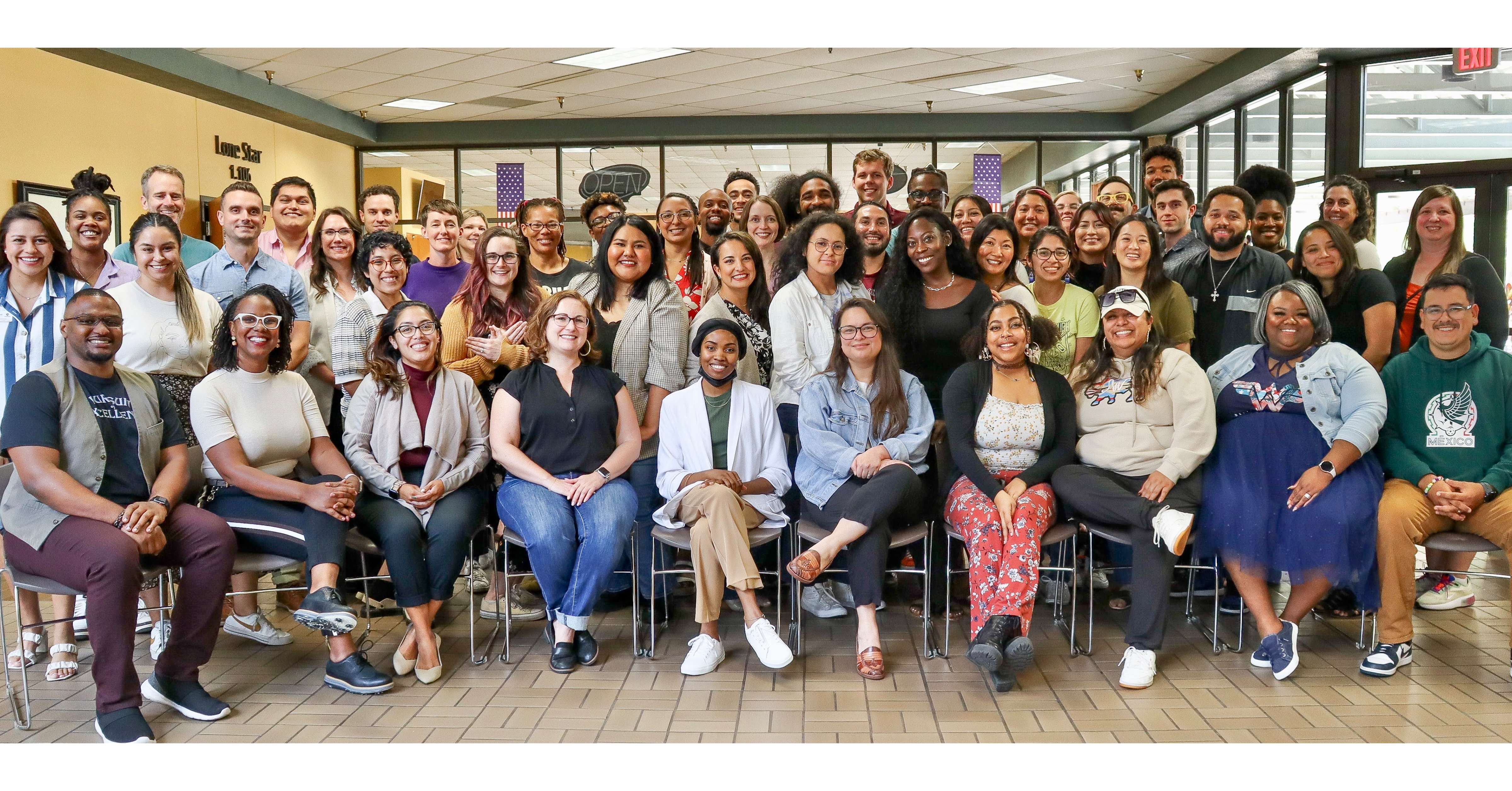

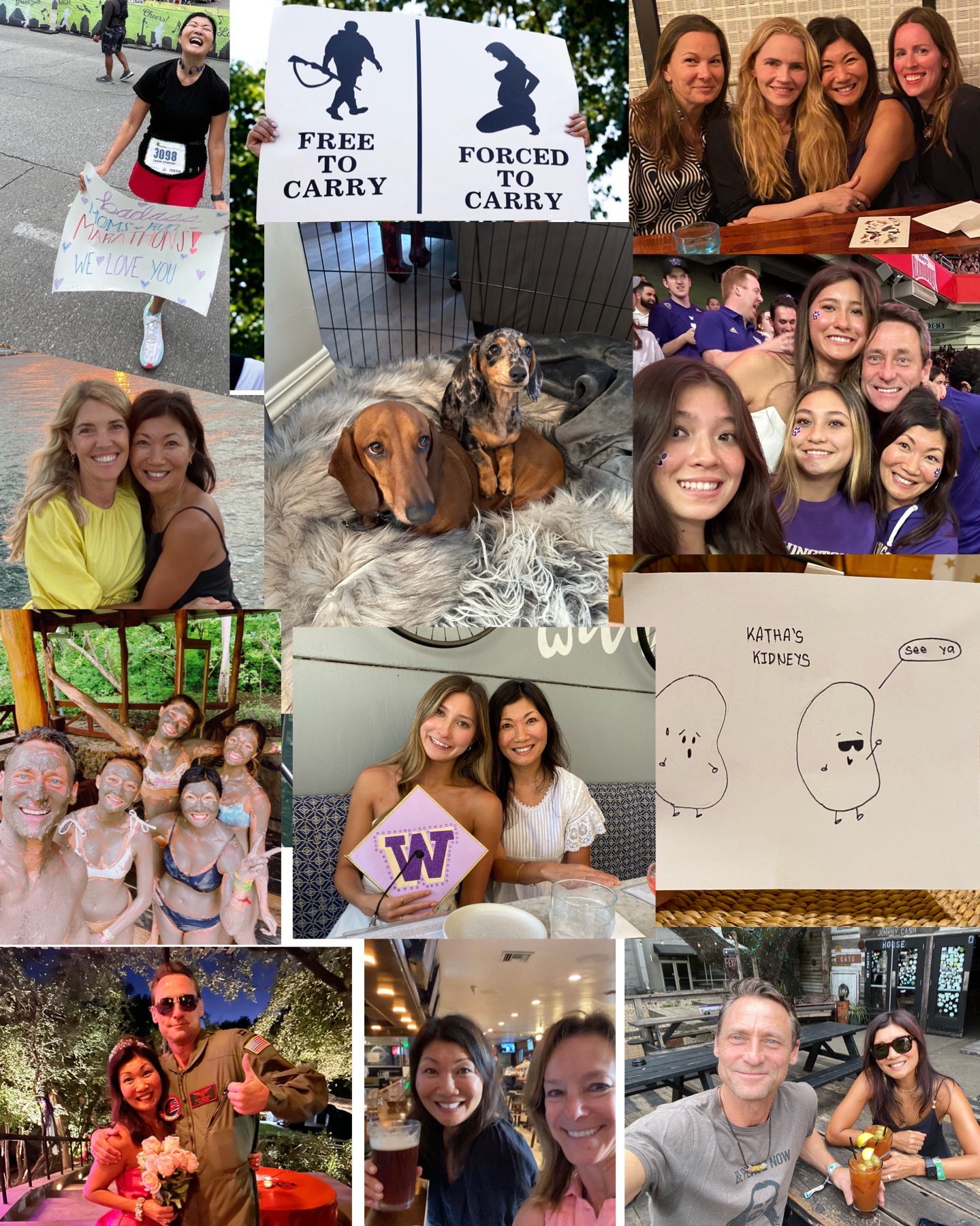


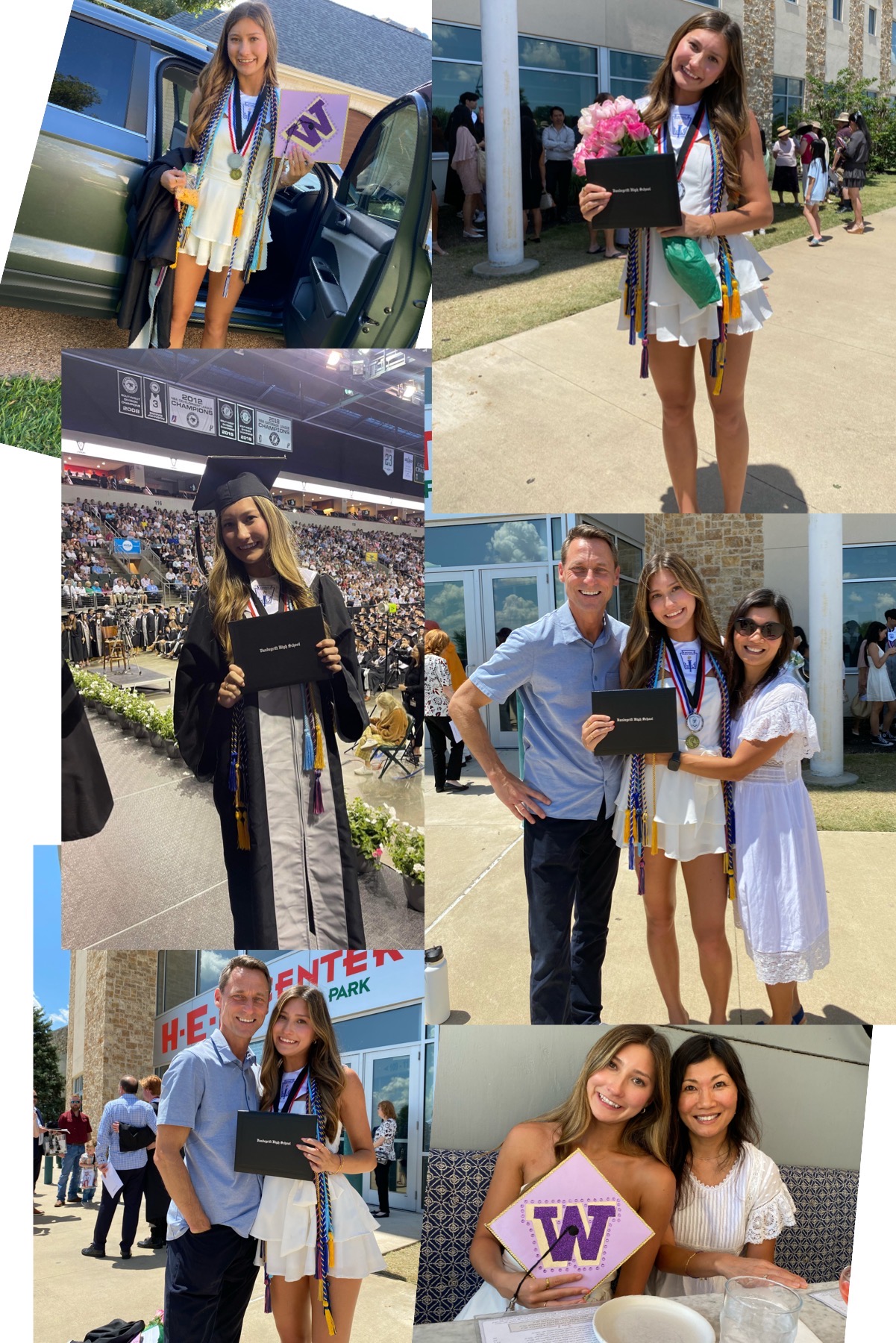





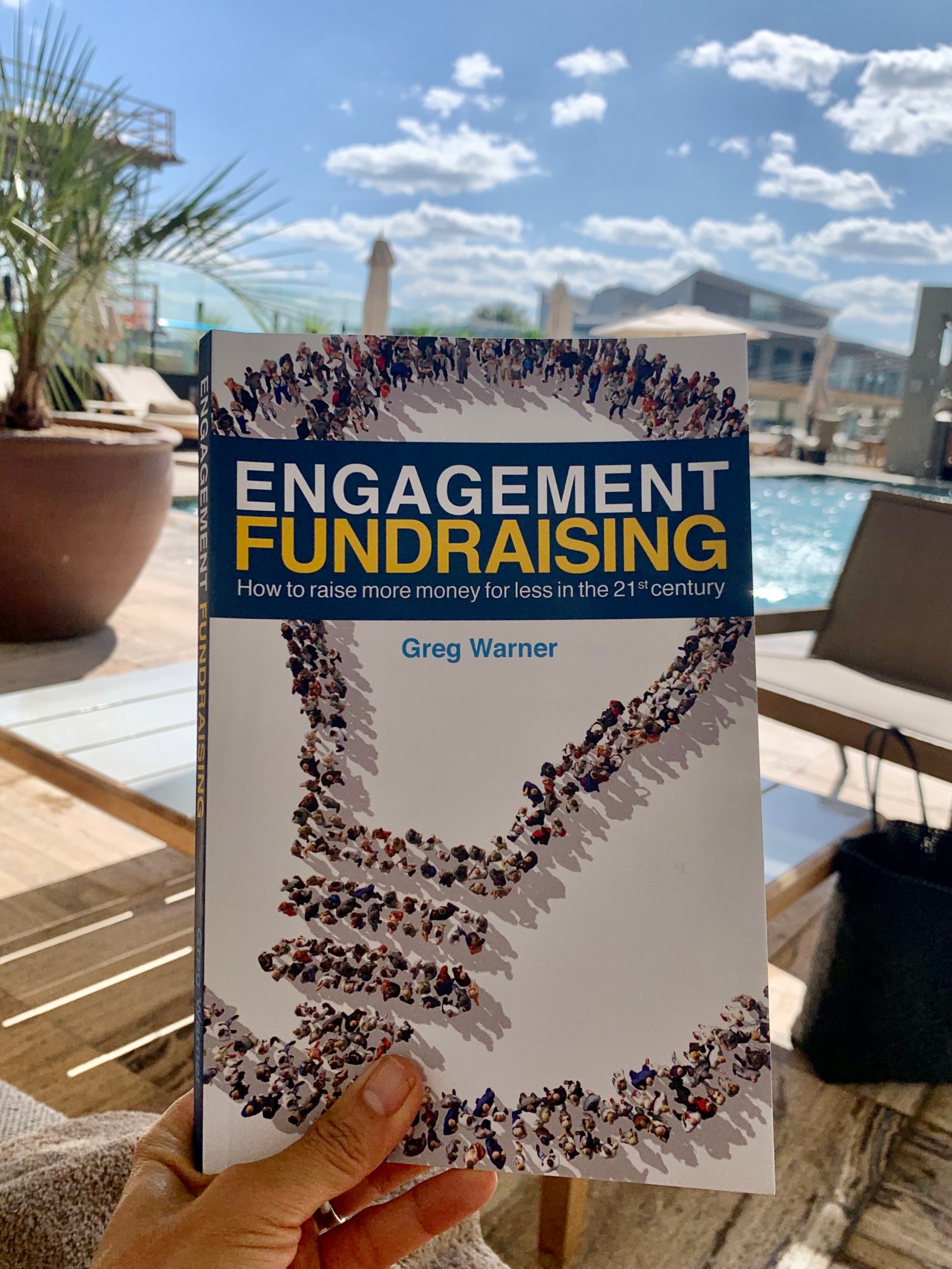
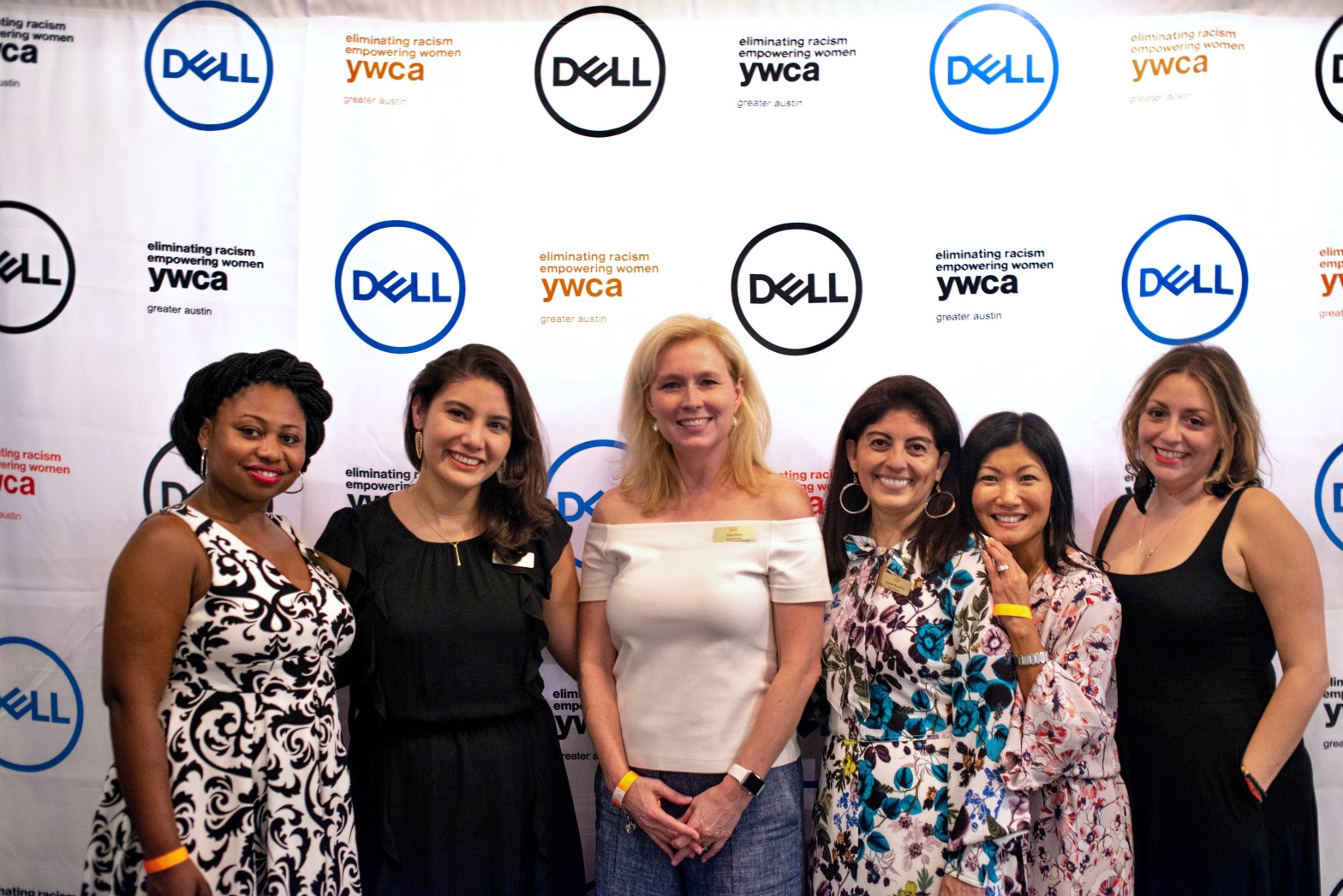
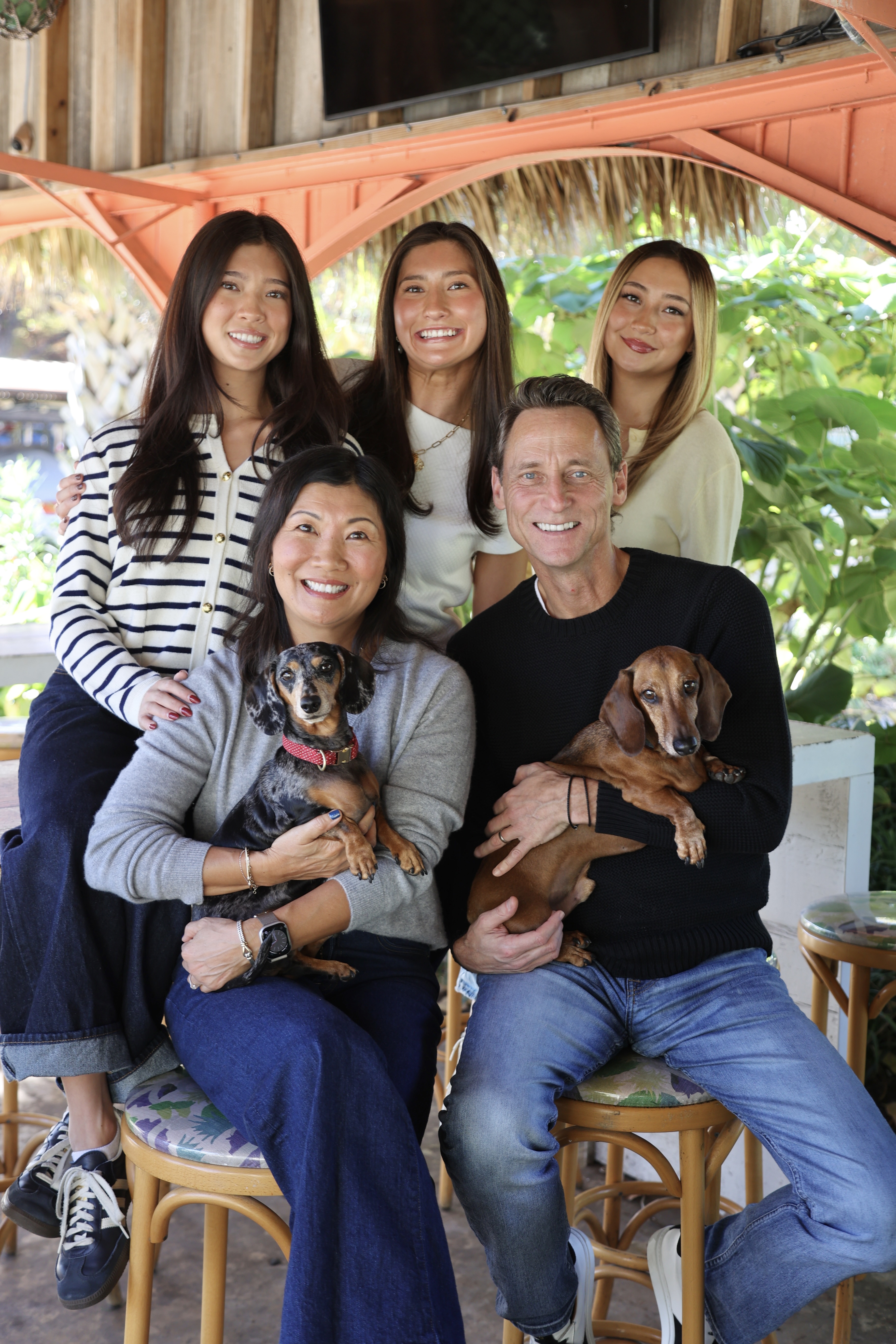
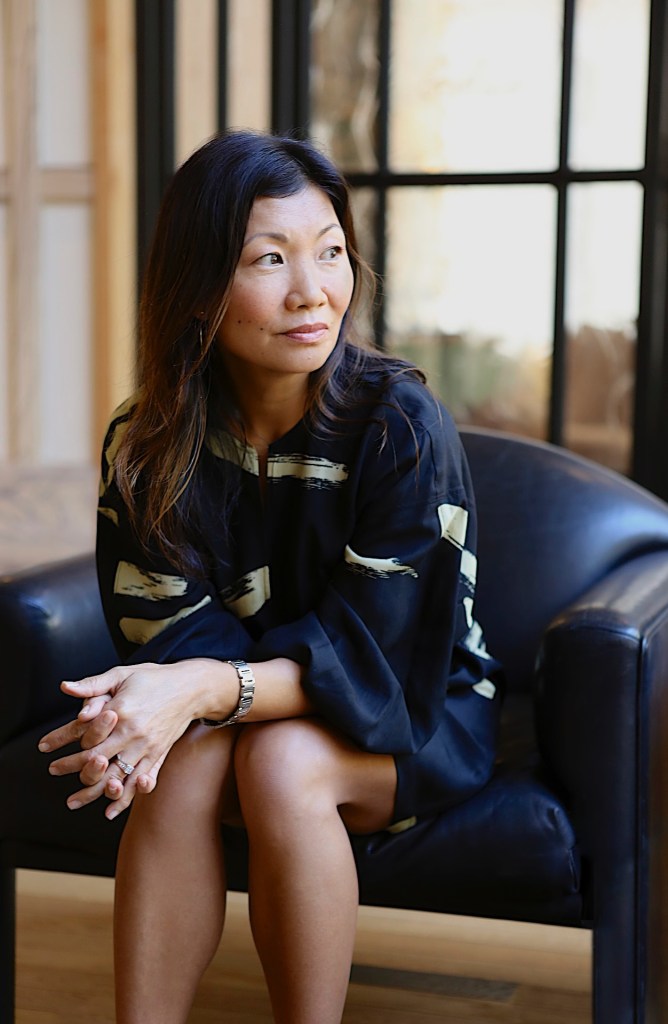
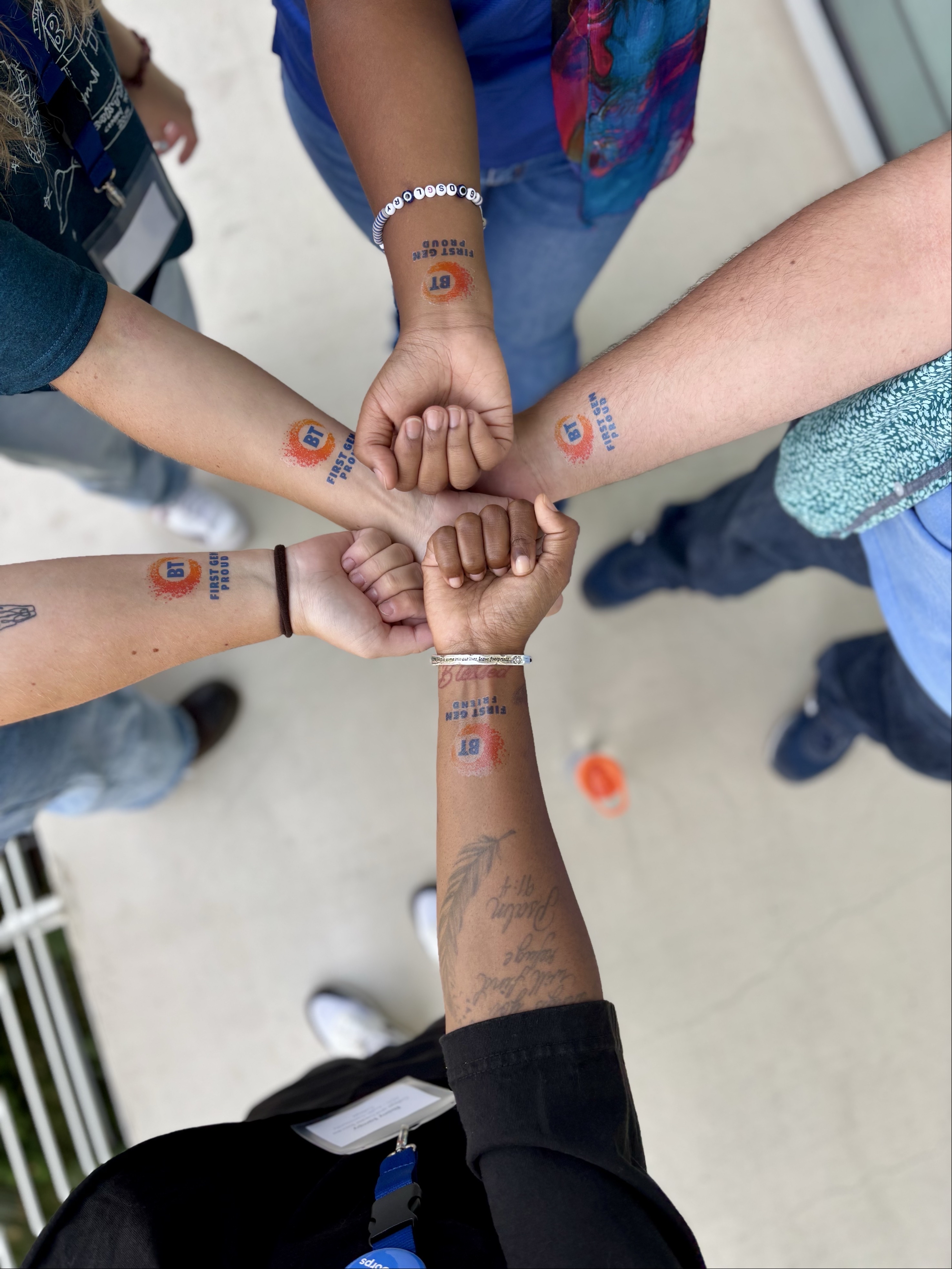
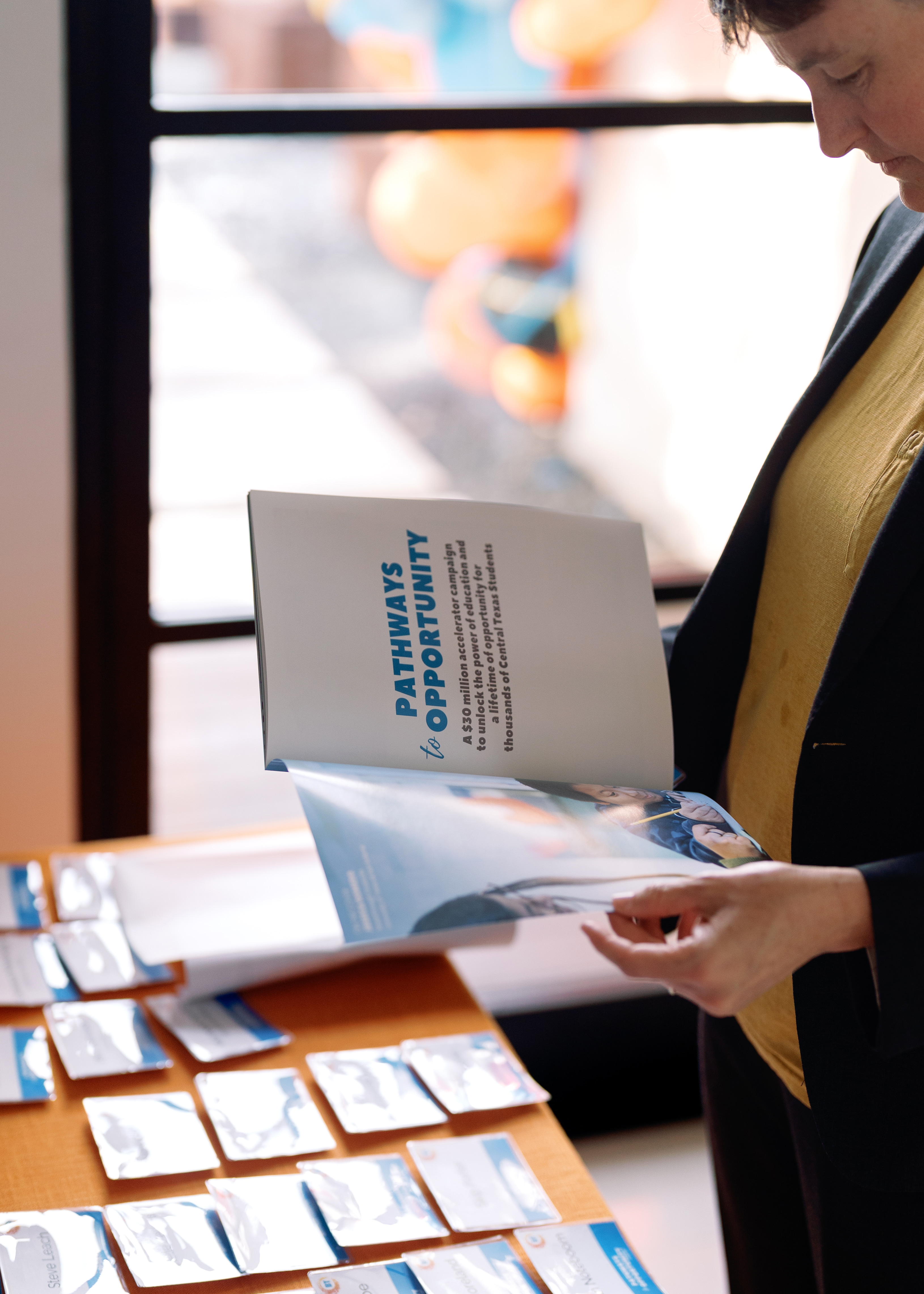



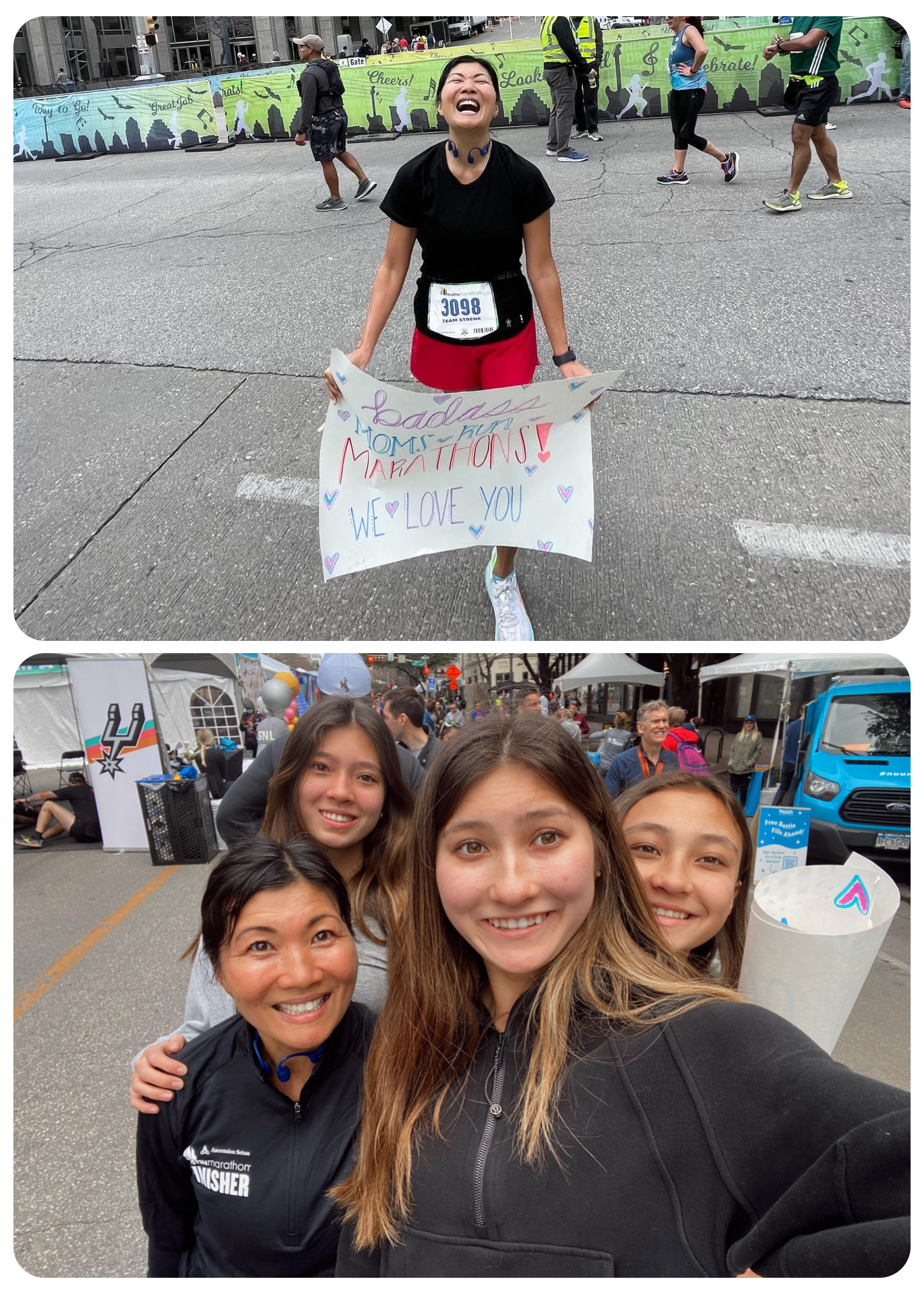
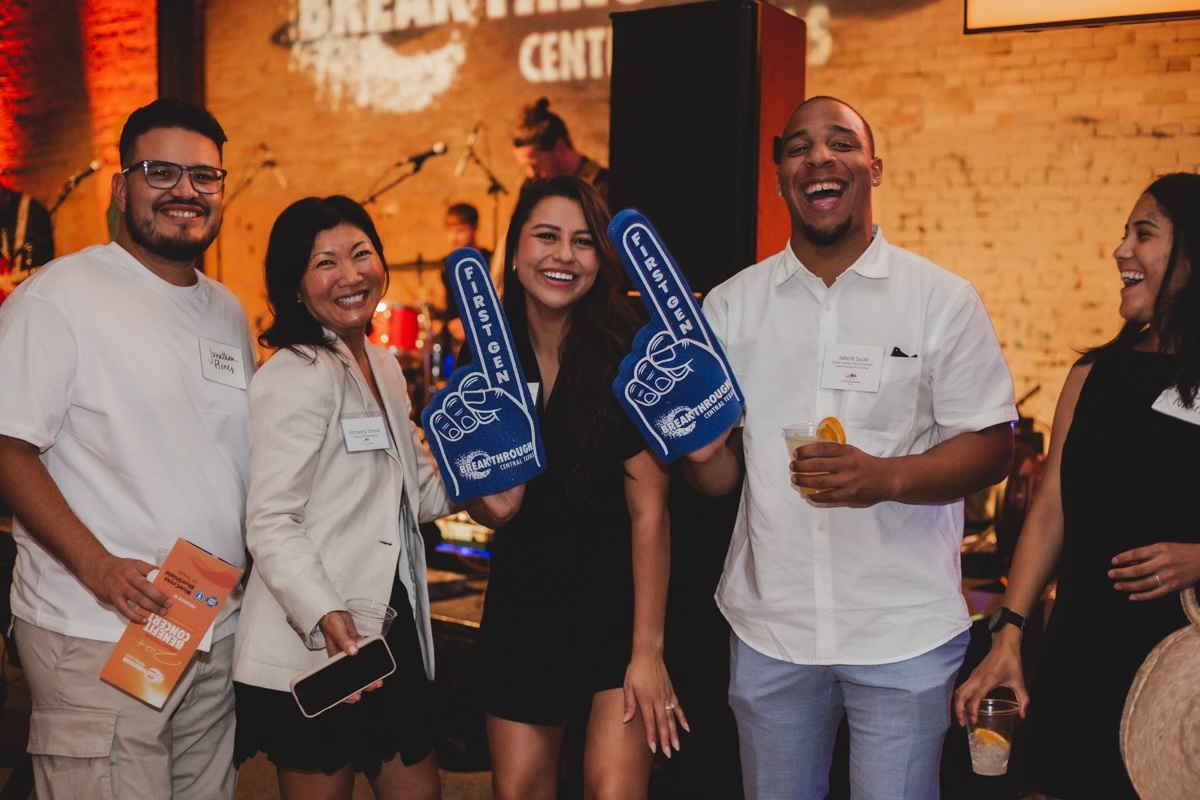
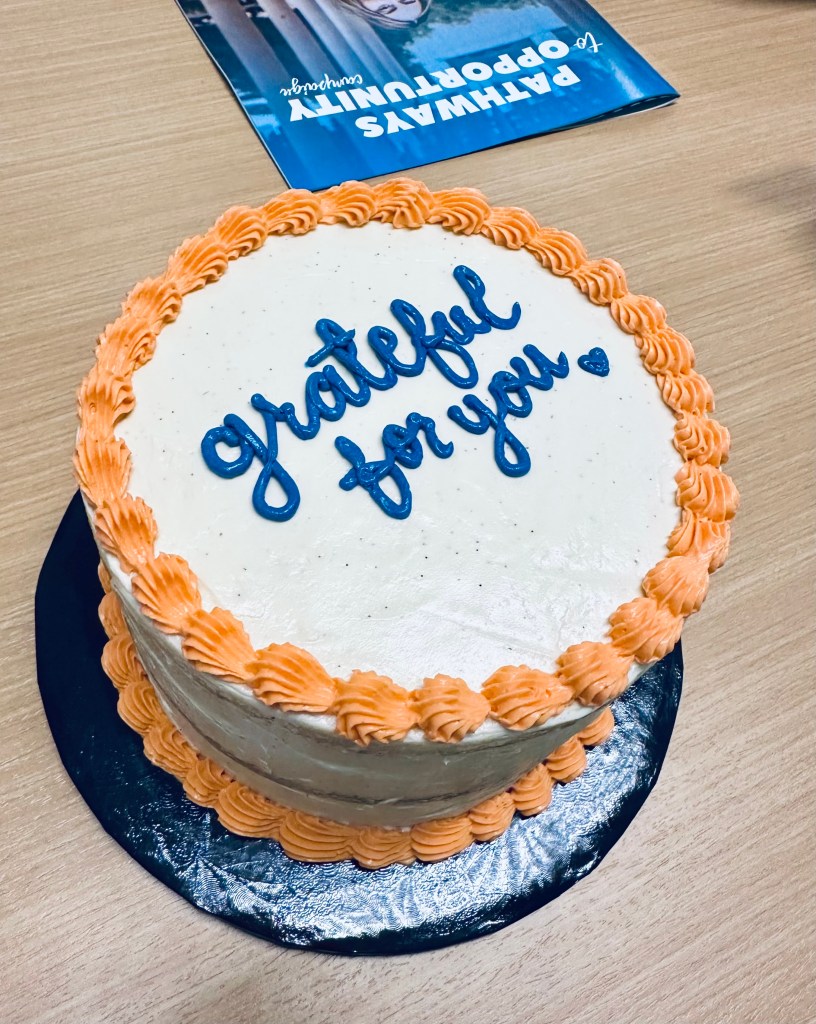
 We're Pivoting